 how-to
Mobile Home Roof Coating Benefits: A 2026 Guide
Table of Contents
- Why Mobile Home Roof Coatings Matter
- Protection From Weather and Environmental Exposure
- Energy Efficiency and Cooling Cost Reduction
- Extending Your Roof's Lifespan
- Best Roof Coating for Mobile Homes
- Mobile Home Roof Coating Cost and Coverage
- How Often to Coat a Mobile Home Roof
- Mobile Home Roof Coating Disadvantages
- Frequently Asked Questions
Last Updated: October 18, 2026
Why Mobile Home Roof Coatings Matter
A mobile home roof coating is a protective layer applied to your roof to shield it from weather damage and extend its lifespan. At SunPro Contracting LLC, we help Central Florida mobile home owners protect their roofs with coatings that reduce cooling costs and prevent costly repairs.
Mobile home roofs face unique challenges: metal expands and contracts with temperature, seams and joints are vulnerable to water infiltration, and UV rays degrade the membrane. A good mobile home roof coating addresses all three at once.
The benefits go beyond protection: many homeowners report lower energy bills within the first summer, roofs last significantly longer when coated, and you avoid premature roof replacement.
Protection From Weather and Environmental Exposure
Weather is the primary threat: rain seeps through small cracks, hail punctures metal, high winds tear sections loose, and UV radiation causes brittleness and cracking.
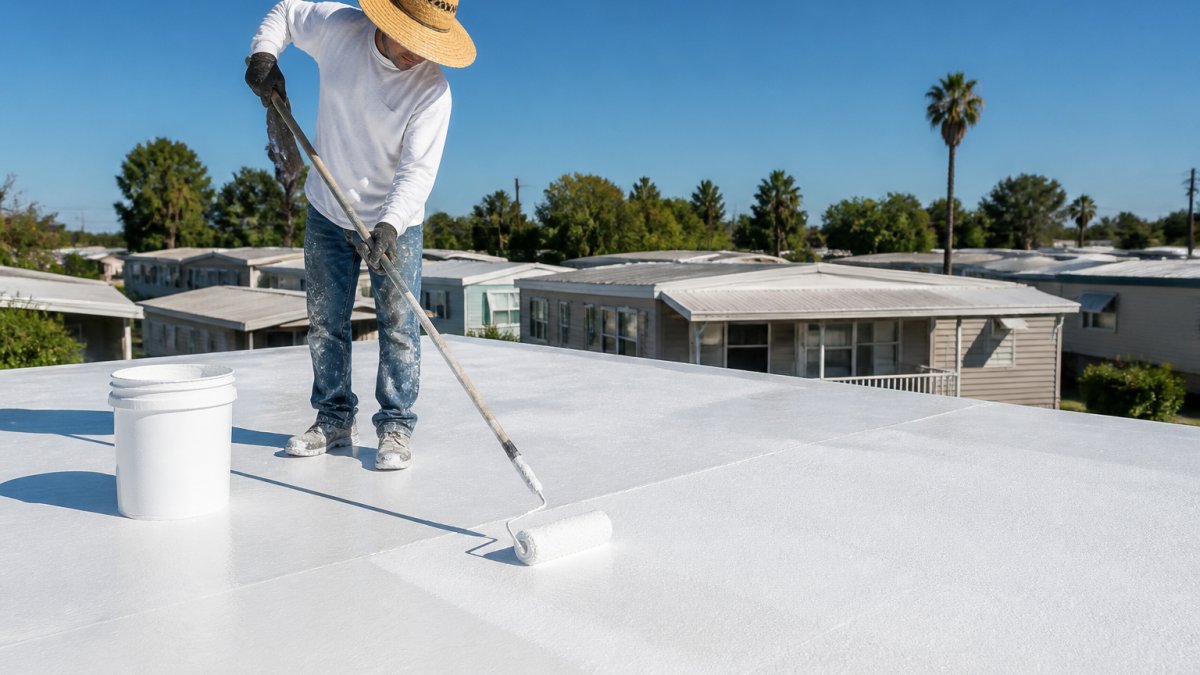
A mobile home roof coating creates a seamless barrier, filling micro-cracks and sealing seams where water enters. It bonds to the roof and moves with the metal as it expands and contracts.
This matters most in Florida's intense sun, heavy rain, and severe storms. Uncoated mobile home roofs deteriorate quickly here; with a quality coating, the same roof stays watertight for years longer.
Salt air near coastal areas corrodes unprotected metal, and tree debris and algae trap moisture. A good coating resists all of these and prevents the underlying metal from degrading.
Energy Efficiency and Cooling Cost Reduction
Reflective coatings reduce how much heat your roof absorbs from the sun, one of the most measurable benefits of a mobile home roof coating.
Metal roofs absorb and radiate heat efficiently, forcing your air conditioning to run longer and harder, real money on your electric bill over a season.
The effect is most noticeable in peak summer, and some homeowners notice within weeks.
Keep expectations realistic: a coating reduces cooling demand but doesn't eliminate it.

Extending Your Roof's Lifespan
Most mobile home roofs last 15-20 years without a coating; with proper coating maintenance, they can remain in service for longer.
The coating protects the metal from UV damage, oxidation, and water infiltration, the primary causes of roof failure, dramatically slowing aging.
Think of it as sunscreen for your roof. Unprotected metal deteriorates steadily. Coated metal stays protected. The difference compounds over years.
Roof replacement is expensive, and delaying it can save money. For many mobile home owners, a coating is the most cost-effective way to extend roof lifespan.
Regular maintenance matters: a coating reapplied every 5-7 years keeps protecting the roof, while an unmaintained one eventually fails and the metal deteriorates again.
Best Roof Coating for Mobile Homes
The "best" coating depends less on brand than on what your roof is actually made of. Mobile and manufactured homes commonly have one of three roof surfaces, and each has different compatibility rules. Getting this wrong is the most common reason a coating fails within a season.
Know your roof surface first
Before shopping, identify the substrate:
- Galvanized or painted steel (the most common mobile home roof). Look for seams, ribs, and magnetic pull. Coatings must bond to metal that expands and contracts significantly with temperature.
- Aluminum. Common on older units. Aluminum oxidizes and can be slippery; it needs a compatible primer and a coating rated for metal.
- Rubber/EPDM or TPO membrane. Common on newer manufactured homes. These are single-ply membranes, and not every coating bonds to them, solvent-based products can attack the membrane.
- Modified bitumen or rolled roofing. Common on additions and older low-slope sections. Asphalt-based surfaces require coatings formulated for asphalt bleed-through.
If unsure, check the data plate inside the home or the original manufacturer documentation, or have a roofer confirm the substrate before buying.
Coating types and where they fit
Elastomeric (acrylic-based) coatings. Flexible, breathable, and forgiving of metal movement, the most common choice for galvanized steel and aluminum roofs in good condition. Service life is roughly 5-7 years.
Silicone coatings. Excellent UV resistance and the best choice where ponding water is persistent, since silicone resists standing water better than acrylic.
Reflective white coatings. Usually acrylic or silicone with reflective pigments; solar reflectance keeps the roof surface cooler and reduces heat gain into the living space. Best for hot climates and dark roofs.
Asphalt-based aluminum coatings. Lower cost, but shorter service life and less flexibility.
Compatibility checks before you buy
- Read the product data sheet, not just the label. It will state approved substrates and any required primer.
- Never coat over a failed coating of a different chemistry without confirming adhesion. Silicone over acrylic, or acrylic over silicone, often fails. When in doubt, test a small patch and check adhesion after curing.
- Prime bare metal and rust. Most manufacturers require a corrosion-inhibiting primer on bare or rusty steel.
- Check for moisture trapped in the roof assembly. Coating over a wet roof traps moisture and causes blistering. A moisture meter check is worth the time.
- Confirm the coating is rated for your slope. Some products are for low-slope only; others are not intended for steep sections.
Products and practices to avoid
- Solvent-based coatings on EPDM or TPO membranes without manufacturer approval.
- Any coating applied over an active leak, fix the leak first.
- Thin, single-coat applications that fall below the manufacturer's specified dry-film thickness.
- Mixing brands or chemistries between coats without confirming compatibility.
Cool Roof Rating Council product ratings and solar reflectance data
Mobile Home Roof Coating Cost and Coverage
Most guides wave at cost and tell you to call a contractor, not useful when deciding whether to DIY or hire out, or whether to budget this spring or next. Here's how to plan materials and cost using the variables that drive the number rather than a single made-up price.
The four variables that set your cost
- Roof area (square footage). A single-wide typically runs roughly 500-800 sq ft of roof surface; a double-wide commonly lands around 1,000-1,600 sq ft. Measure length times width of the roof footprint, then add 10-15% for seams, edges, and waste.
- Coating type. Acrylic is the least expensive per gallon, elastomeric sits in the middle, and silicone is the most expensive. Higher solids content and longer service life generally cost more up front.
- Number of coats. Most manufacturers specify a minimum dry-film thickness, often expressed in mils, and that usually means two coats. One thin coat is the most common cause of premature failure.
- Prep and repair. Cleaning, priming bare metal or rust, and sealing seams and penetrations can rival the coating cost itself on a neglected roof.
Coverage rates you can plan around
Coverage is published on every pail as square feet per gallon at a specified thickness. Typical ranges:
- Acrylic reflective coatings: roughly 100-200 sq ft per gallon per coat, depending on substrate porosity.
- Elastomeric coatings: roughly 50-100 sq ft per gallon per coat at the manufacturer's specified mil thickness.
- Silicone coatings: roughly 50-100 sq ft per gallon per coat, with coverage dropping on rough or previously coated surfaces.
A common planning pattern: divide your roof area by the published coverage rate, multiply by the number of coats, then add 10-15% for seams, edges, and touch-ups. For a 1,000 sq ft roof at 75 sq ft per gallon over two coats, that's about 27 gallons before waste, a useful sanity check against any quote you receive.
A transparent cost framework
Rather than quote a single number that won't fit your roof, break the estimate into line items:
- Coating material: gallons needed × price per gallon for your chosen product.
- Primer and seam sealant: one-time cost, higher on rusty or previously uncoated roofs.
- Cleaning and prep supplies: degreaser, TSP or equivalent, scrub brush, pressure washer rental if needed.
- Tools: roller, extension pole, sprayer (rental or purchase), PPE.
- Labor (if hiring): typically the largest line item, and it scales with roof condition, access difficulty, and number of coats.
- Disposal and cleanup.
Ask any contractor for an itemized quote showing material, labor, prep, and warranty separately. A lump-sum number with no breakdown is a red flag.
DIY vs. professional: a realistic comparison
DIY saves labor but shifts risk to you. Failure modes, poor adhesion from inadequate prep, thin coats, wrong temperature window, show up months later as peeling or blistering, and fixing them costs more than hiring correctly the first time. Professional application costs more up front but typically includes surface prep, seam reinforcement, and a workmanship warranty.
If the roof is clean, sound, and single-story with safe access, DIY is viable. If there's rust, ponding, prior coating failure, or any question about roof deck integrity, hire a professional who will inspect before quoting.
ENERGY STAR reflective roof products and solar reflectance information
How Often to Coat a Mobile Home Roof
Most mobile home roof coatings need reapplication every 5-7 years; some premium products last up to 10 years in ideal conditions.
The reapplication schedule depends on several factors:
- Coating type: Silicone typically lasts longer than elastomeric or acrylic
- Climate: Florida's intense sun and humidity shorten coating life compared to drier regions
- Maintenance: Regular cleaning extends coating life
- Roof condition: Roofs with existing damage may need more frequent coatings
- Application quality: Properly applied coatings last longer than rushed jobs
Base your schedule on the manufacturer's recommendations and local climate. In Florida, many find a 5-6 year reapplication cycle keeps their roof in good condition.
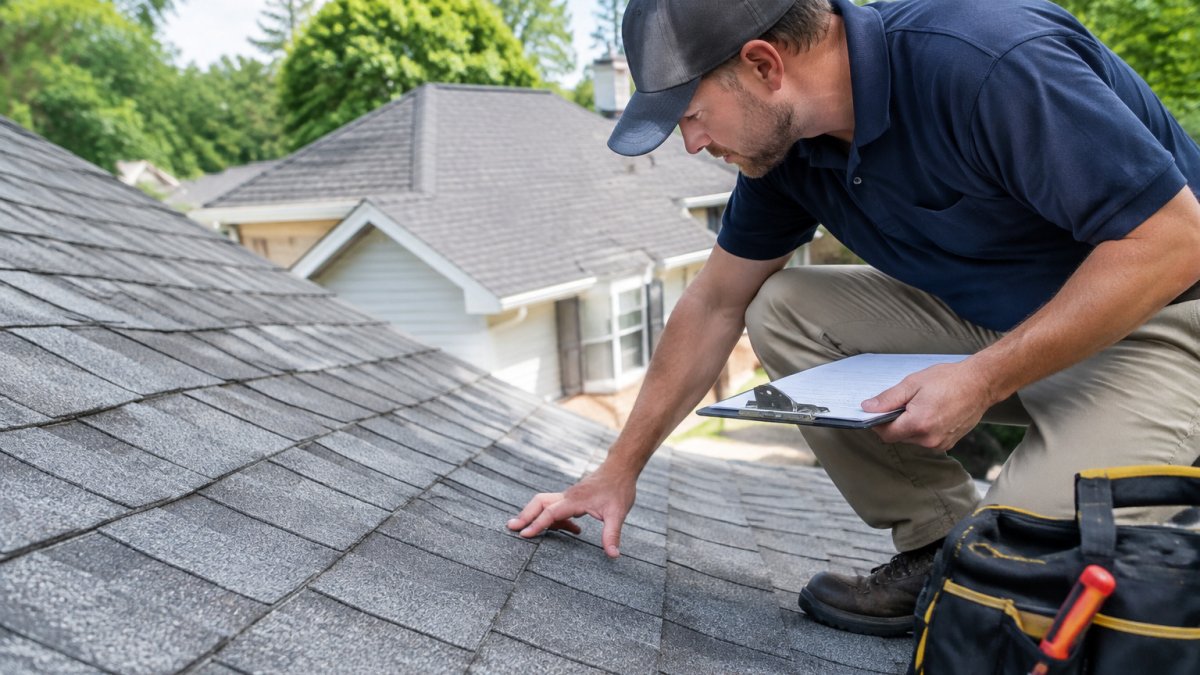
Regular inspections catch problems early: if the coating is cracking, peeling, or chalking, recoat those sections or the entire roof. Staying on schedule is more cost-effective than waiting for complete failure, preventing water damage and extending roof lifespan.
Mobile Home Roof Coating Disadvantages
Mobile home roof coatings offer real benefits, but understanding their limitations helps you decide with eyes open.
Coatings are temporary. You'll need to reapply every 5-7 years, an ongoing maintenance commitment, not a one-time fix.
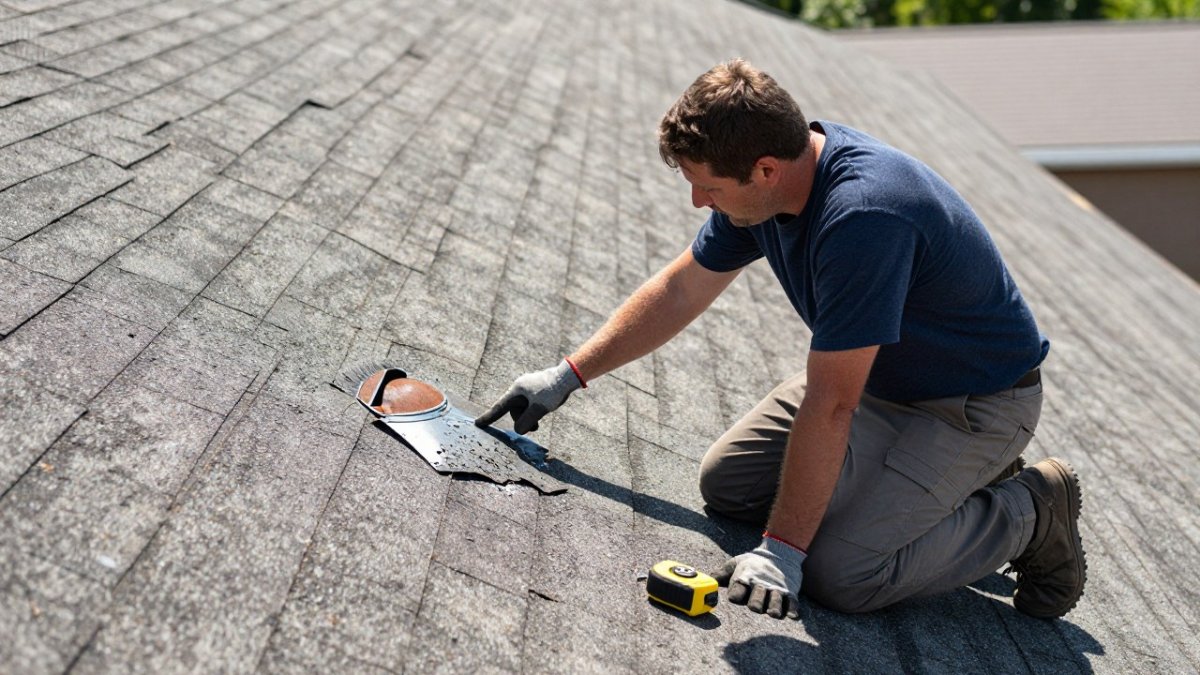
Existing damage isn't always fixed. A coating seals the surface but doesn't repair structural problems.
Application conditions matter. Temperature, humidity, and drying time all affect results; rush jobs in poor conditions often fail.
Reflective coatings require maintenance. Algae, dust, and debris reduce reflectivity and diminish the energy-saving benefit.
Color limitations. Most coated mobile home roofs are white or light gray.
A mobile home roof coating protects your investment and extends the life of your roof.
Frequently Asked Questions
How often should a mobile home roof be coated?
Most mobile home roof coatings last 5 to 10 years depending on climate, UV exposure, and maintenance. In areas with intense sun and frequent storms, reapplication every 5 to 7 years is typical. Regular inspections help determine when your roof needs a fresh coat. Proper maintenance, including cleaning debris and addressing small repairs promptly, can extend the time between applications.
What are the disadvantages of mobile home roof coatings?
Roof coatings require regular maintenance to perform well and may need reapplication sooner than a full roof replacement. They cannot fix structural damage or severe leaks, underlying problems must be repaired first. Application requires specific weather conditions and proper surface preparation, which adds time and cost. Some coatings may crack if the roof membrane underneath shifts or settles, and warranty coverage varies by product and installer.
What is the best roof coating for mobile homes?
Elastomeric and silicone coatings are the most popular choices for mobile homes. Elastomeric coatings offer flexibility and water resistance, making them ideal for metal roofs that expand and contract. Silicone coatings provide excellent UV and weather protection with long-term durability. Reflective coatings reduce heat absorption and cooling costs. The best choice depends on your roof type, climate, and specific needs, a professional inspection helps determine compatibility with your existing roof membrane.
How much does it cost to have a mobile home roof coating applied?
Pricing depends on roof size, current condition, coating type, and local labor rates. Factors like surface preparation, repair needs, and application thickness also affect the final cost. For an accurate estimate, contact a local contractor for an on-site inspection and quote. Many providers offer free assessments to give you an itemized breakdown before work begins.