 how-to
How to Maintain a Roof: Checklist and Schedule
Quick Summary
Roof maintenance means inspecting shingles or tile, gutters, flashing, pipe boots and the attic at least twice a year, and cleaning gutters regularly. Schedule a professional inspection every one to two years, and after any storm.
- Inspect shingles or tile, gutters, flashing, roof penetrations, the attic and interior ceilings each time.
- Clean gutters and downspouts at least twice a year, more if trees overhang the roof.
- Schedule a professional inspection every one to two years.
- Inspect from the ground after any named storm or high-wind event, within a few days.
- Do not climb onto a wet, steep or soft roof; call a professional instead.
Table of Contents
- Why Regular Roof Maintenance Matters in Central Florida
- Roof Maintenance Checklist: What to Inspect Each Time
- How Often to Schedule Roof Maintenance by Season
- Safe DIY Inspection Limits and When to Call a Pro
- Metal Roof Maintenance: What Is Different
- Roof Maintenance Cost and Budgeting Tips
- Book Your Roof Inspection With SunPro Contracting
- Frequently Asked Questions
How to Maintain a Roof: Checklist and Schedule
Last Updated: November 5, 2026
Why Regular Roof Maintenance Matters in Central Florida
The same pattern shows up again and again on roofs across Central Florida. Small problems that get ignored turn into leaks, rot and expensive repairs. Regular roof maintenance is how you catch those problems while they are still cheap to fix.
Florida roofs take a beating. Heavy summer rain, strong sun, humidity and the occasional tropical storm all wear on shingles, tile and flashing. A roof that looks fine from the street can already have loose shingles, clogged gutters or cracked sealant.
Here is what regular maintenance helps you do:
- Spot damage early. Small cracks and lifted shingles are easy to seal.
- Protect the inside of your home. Water that gets past the roof can damage ceilings, insulation and drywall.
- Keep your warranty valid. Many manufacturer warranties expect proof of routine care.
- Plan your budget. Known repairs are easier to schedule than surprise emergencies.
Good roof maintenance does not require a roofing background. Much of it is simple checking that you can do from the ground or from the attic.
Roof Maintenance Checklist: What to Inspect Each Time
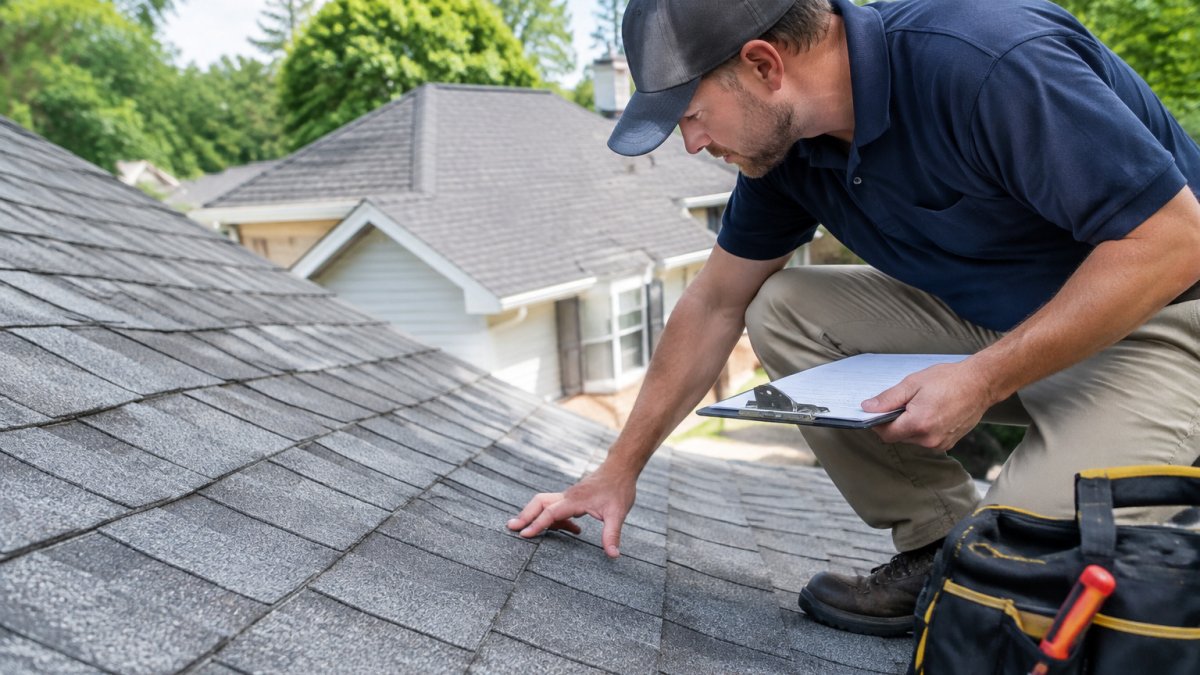
A roof maintenance checklist is a repeatable list of things to look at during each inspection. Following the same list every time makes it easier to notice changes. For a side-by-side view of how professionals approach this, see the commercial roof inspection checklist.

Work through these items during each inspection:
- Shingles or tile. Look for missing, cracked, curled or granule-loss areas.
- Gutters and downspouts. Check for debris, sagging sections and loose brackets.
- Flashing. Inspect the metal around chimneys, vents, walls and valleys.
- Roof penetrations. Check pipe boots, skylights and vent caps for cracks.
- Attic. Look for water stains, damp insulation, or daylight coming through the roof.
- Ceilings and walls. Check for new stains, bubbling paint or soft drywall.
Watch out: never walk on a wet or steep roof without proper fall protection. A slip from the roof can cause serious injury.
Shingles, Tile and TPO: Inspecting by Roofing Material
Each roofing material shows wear in its own way, so your inspection should match what is on your roof.
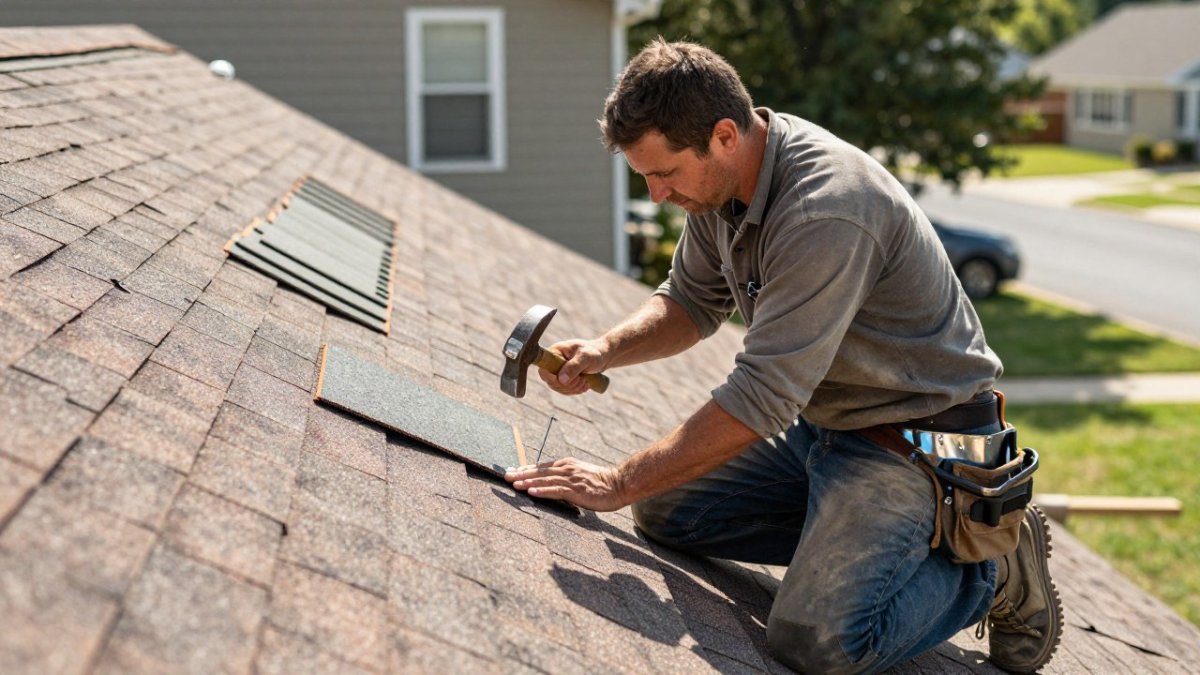
- Asphalt shingles. Look for curling edges, missing tabs and bare patches where granules have worn away. Shingles that cup or lift are a sign the roof is aging.
- Tile roofs. Check for cracked, slipped or broken tiles. Walk the roof only if it is safe to do so, since tile can break under foot pressure.
- TPO (flat roofs). Look for seam separation, punctures and areas where ponding water sits for long periods. Standing water can speed up membrane wear.
Every material needs its own attention, and a professional can tell you what your specific roof needs.
Gutters, Downspouts and Debris Removal
Gutters and downspouts carry large amounts of water away from your home. When they clog, water spills over the edge and can soak fascia boards and the roof edge.
To clean them safely:
- Remove leaves, twigs and sand by hand or with a scoop.
- Flush the gutter with a garden hose to confirm water flows toward the downspout.
- Check that downspout extensions send water well away from the foundation.
- Tighten loose brackets and note any sagging sections.
Remove debris from the roof surface too. Leaves and branches trap moisture against shingles and can hold water against the roofing material.
Flashing, Pipe Boots and Roof Penetrations
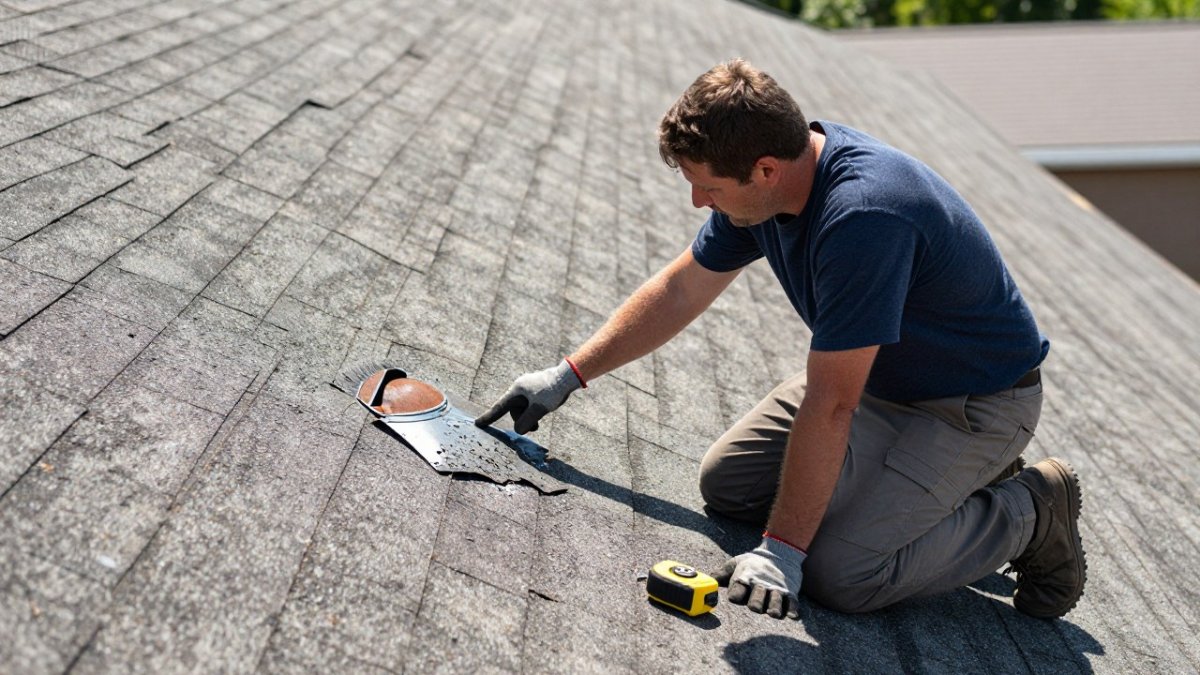
Flashing and pipe boots are the most common places for leaks. Sealant and rubber boots dry out and crack over time.
Check these areas:
- Pipe boots. Look for cracked or split rubber around vent pipes.
- Flashing. Look for lifted edges, gaps or rust around chimneys and walls.
- Skylights. Check the seal around the frame and the condition of the glazing.
Small sealant repairs are often inexpensive. Large flashing or boot failures usually call for a professional repair.
The checklist items below cover the main areas to inspect each time, along with what to look for.
| Item | What to look for | Where to check |
|---|---|---|
| Shingles or tile | Missing, cracked, curled or granule-loss areas | Roof surface |
| Gutters and downspouts | Debris, sagging sections, loose brackets | Roof edge and ground |
| Flashing | Lifted edges, gaps or rust | Chimneys, vents, walls, valleys |
| Roof penetrations | Cracks in pipe boots, skylights and vent caps | Roof surface |
| Attic | Water stains, damp insulation, daylight | Attic |
| Ceilings and walls | New stains, bubbling paint, soft drywall | Interior rooms |
How Often to Schedule Roof Maintenance by Season
A useful schedule is more specific than a single yearly check. The calendar below turns general advice into a month-by-month routine. The calendar below turns general advice into a month-by-month routine that accounts for heavy rain, strong sun, humidity, and storm season.
A Practical Annual Roof Maintenance Calendar
- January-February. Do a post-winter walkaround from the ground. Look for lifted or cracked shingles, loose flashing, and gutter brackets pulled loose by wind. This is also a good time to photograph the roof for your records before the spring storm season.
- March-April. Clean gutters and downspouts before the heavy rain begins. Flush them with a hose and confirm water flows away from the foundation. Check attic ventilation and look for any daylight or damp spots in the sheathing.
- May. Inspect before storm season. Confirm that flashing around chimneys, vents, and skylights is sealed, and that pipe boots are not cracked. Trim tree branches that overhang the roof.
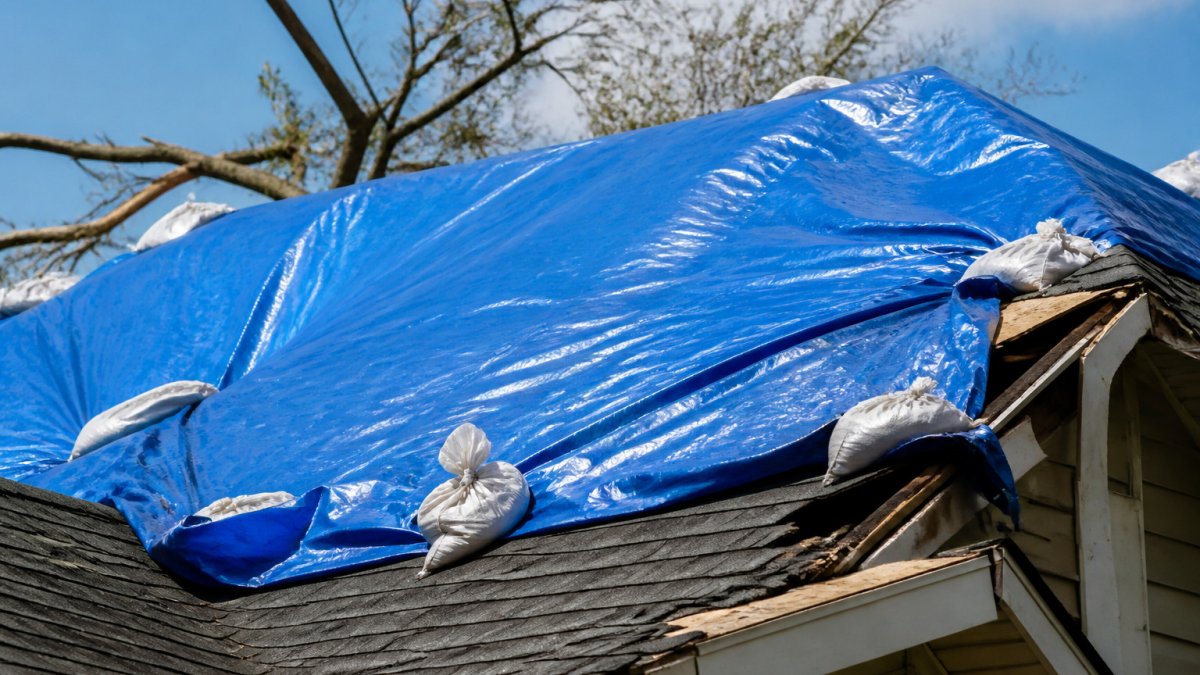
- June-November (storm season). After any named storm or high-wind event, do a ground-level inspection within a few days. Look for missing shingles, dented metal, granule loss in gutters, and new water stains on ceilings. Do not climb onto the roof after a storm; wet surfaces and hidden soft spots make falls more likely.
- September-October. Clear leaves and debris before fall rains. Check valleys and roof edges where debris collects. Recheck attic insulation for dampness after the wet season.
- November-December. Consider a year-end professional inspection if you have not had one. Use any findings to plan repairs before the next storm cycle and to update your maintenance records.
How Often Is 'Often Enough'?
A simple rule of thumb: inspect from the ground every season, clean gutters at least twice a year (more if trees overhang the roof), and schedule a professional inspection every one to two years. Increase frequency if your roof is more than 15 years old, if you have had repeated leaks, or if large trees surround the home. After a hailstorm or hurricane, treat the inspection as urgent rather than waiting for the next scheduled date.
Watch out: a roof that looks fine from the ground can hide lifted flashing or saturated underlayment. If you see granules collecting in gutters or dark streaks on ceilings, move the professional inspection up rather than waiting for the calendar.
Safe DIY Inspection Limits and When to Call a Pro
You can safely do a lot from the ground and the attic. You should not climb onto a steep roof, a wet roof or a roof with soft spots.
Call a professional when you notice:
- Active leaks or water stains that are growing
- Missing shingles or tile in large areas
- Soft or sagging roof decking
- Damage after a storm or high winds
- Cracked flashing or failed pipe boots you cannot reach safely
A professional inspection is the safest way to confirm the condition of your roof and decide what to repair first. If storm damage is the concern, the storm damage roof repair process explains what a professional repair involves.
Metal Roof Maintenance: What Is Different
Metal roofs need a different kind of care than asphalt or tile. The main concerns are coatings, fasteners and seams rather than granule loss or cracked tiles.
Focus your metal roof checks on these areas:
- Fasteners and screws. Look for loose screws or backed-out fasteners that may need resealing.
- Coatings and finish. Check for chalking, fading or scratches that expose bare metal.
- Seams and trim. Look for gaps, lifted edges or sealant that has pulled away.
- Drainage. Keep valleys and gutters clear so water moves off the metal surface.
Metal roofs handle Florida weather well, but scratches and loose fasteners still need attention. A professional can recoat or reseal the roof when needed.
Roof Maintenance Cost and Budgeting Tips
Maintenance costs vary widely by roof size, material, access, and how much work is needed. Instead of a single number, it helps to understand the cost drivers so you can budget realistically and compare quotes.
What Drives Roof Maintenance Costs
- Roof size and pitch. A larger or steeper roof takes more time and safety equipment, which raises the labor cost.
- Material. Tile and metal roofs can require specialized labor and replacement parts.
- Access. A roof with limited ladder access, tall trees, or complex geometry takes longer to inspect and repair.
- Extent of damage. A single cracked pipe boot is a minor repair; widespread flashing failure or soft decking is a larger job.
- Urgency. Emergency or post-storm repairs often cost more than scheduled maintenance because of demand and temporary protective measures.
Budgeting Tips
- Set aside a small annual maintenance fund rather than waiting for a crisis. Even a modest reserve covers gutter cleaning and minor sealant repairs.
- Ask any contractor for an itemized estimate before work begins so you can compare quotes fairly.
- Schedule routine maintenance in the off-season if your area has one; demand and pricing can be more favorable than right after a storm.
- Keep records of every inspection, repair, and receipt. Good records help with warranty claims and insurance questions later.
Watch out: the lowest quote is not always the best value. Compare scope, not just price.
Book Your Roof Inspection With SunPro Contracting
Regular maintenance is the simplest way to protect your roof, your home and your budget. If you want a professional look at your roof, SunPro Contracting LLC offers residential and commercial roofing repairs and maintenance across Central Florida, backed by over 100 years of combined industry experience. Contact us today to learn more.
Frequently Asked Questions
What is typical roof maintenance?
Typical roof maintenance is a recurring inspection and light upkeep routine. It includes checking shingles or tile for cracks, curling or missing pieces, clearing debris from gutters and valleys, checking flashing and pipe boots around penetrations, and looking at the attic for water stains or daylight. Most homeowners schedule a professional inspection at least once a year and after any major storm. Small problems caught early are usually far cheaper to fix than the water damage they cause when ignored.
How much does roof maintenance cost?
Roof maintenance pricing depends on the size and pitch of the roof, the roofing material, how many stories the home has, and the scope of work, such as a basic inspection versus gutter cleaning and minor repairs. SunPro Contracting does not publish fixed prices for maintenance because every roof is different. Visit the SunPro Contracting website or request a quote to get current pricing for your property, and ask any contractor for an itemized estimate before work begins.
Can you clean a roof yourself, or should you hire a professional?
Light cleaning from the ground, such as clearing gutters you can reach safely with a ladder on stable footing, is a reasonable DIY task. Walking on the roof, power washing, or removing moss and algae is risky and can damage shingles or tile. Steep roofs, multi-story homes and any roof with visible sagging or soft spots should be inspected by a licensed professional. Hiring a contractor also gives you a documented inspection record useful for insurance and warranty purposes.