 how-to
Residential Roof Repair Near Me: How to Choose a Contractor
Quick Summary
Residential roof repair near me means a local contractor fixes a specific roof problem, such as a leak or missing shingles, without replacing the whole roof. Choose a licensed, insured roofer who gives a written, itemized estimate, names the materials, and states the warranty terms in writing before work begins.
- Look for stains on ceilings, granules in gutters, cracked shingles, or daylight in the attic.
- Photograph any damage and move valuables away from a leak before calling a contractor.
- Verify licensing with the authority that covers your address and request a current certificate of insurance.
- Get an itemized written estimate covering materials, labor, disposal, permits, and hidden damage allowances.
- Avoid roofers who demand full payment upfront or pressure you to sign before any inspection.
Table of Contents
- What Residential Roof Repair Near Me Really Involves
- Signs Your Roof Needs Repair Now
- A Homeowner's Roof Damage Inspection Checklist
- What to Do Right After You Find a Leak
- Best Residential Roof Repair Near Me: How to Evaluate Local Roofers
- Affordable Residential Roof Repair Near Me: Understanding Costs and Estimates
- Free Residential Roof Repair Near Me: What a Free Estimate Covers, and Handyman Limits
- Booking Your Roof Repair With SunPro Contracting LLC
- Frequently Asked Questions
What Residential Roof Repair Near Me Really Involves
Last Updated: November 8, 2026
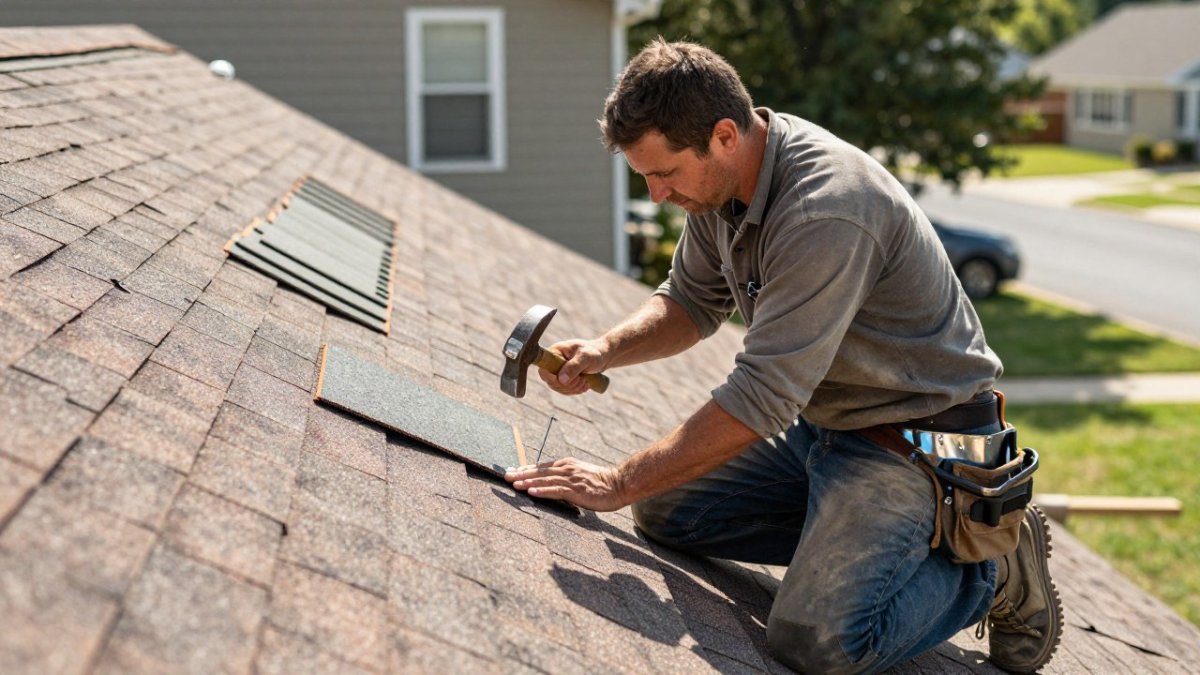
Residential roof repair near me is the work a local contractor does to fix a specific problem on your home's roof, such as a leak, a torn shingle, or flashing that has pulled loose, without replacing the whole system. A good repair stops the damage, keeps water out of the attic and ceilings, and preserves the remaining life of the roof. If you are searching for residential roof repair near me, you probably have a problem in front of you right now, and the job is to get it diagnosed correctly and fixed properly.
At SunPro Contracting LLC, we handle residential roof repairs alongside new installations, roof replacement, and routine maintenance. We work with tile, shingles, and TPO roofing.
A repair generally involves identifying the source of the damage, removing the failed material, and installing replacement components. The source is often not where the water shows up inside. Water can travel along a rafter or down a wall cavity before it appears on a ceiling, which is why a thorough inspection matters more than a quick patch.
Repairs are not always the right answer. If the roof is near the end of its service life, or the damage covers a large share of the surface, replacement may cost less over time.
Signs Your Roof Needs Repair Now
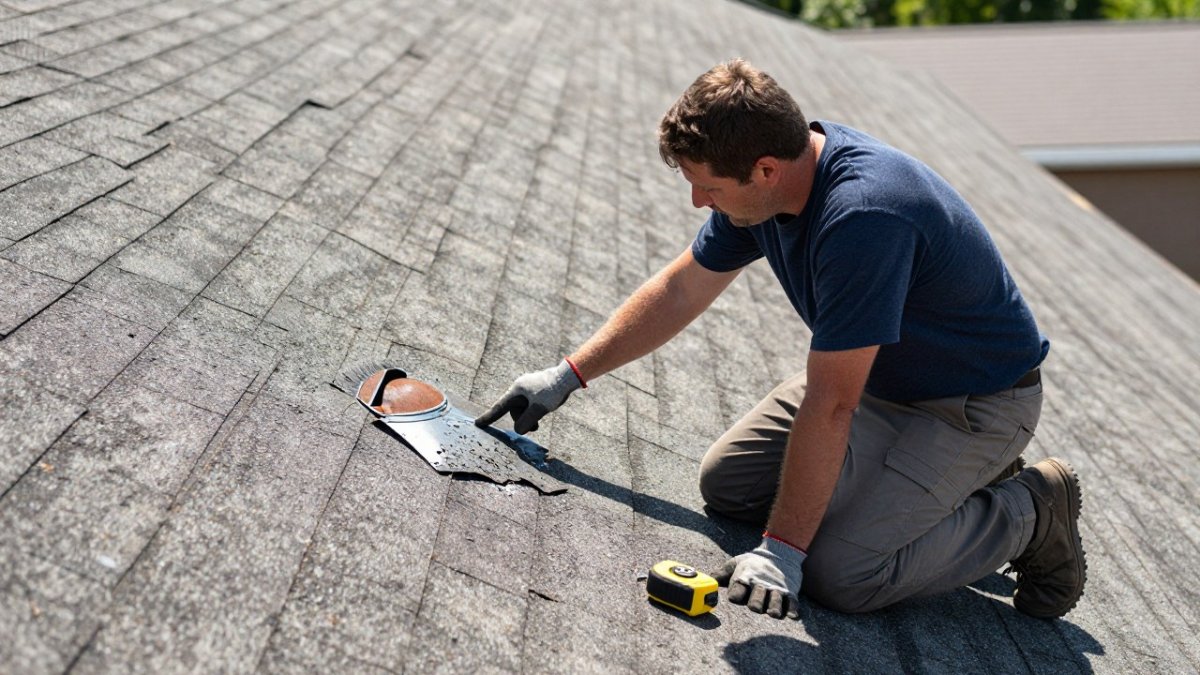
Watch for a few clear signs: water stains on ceilings or walls, granules collecting in your gutters, shingles that are cracked, curled, or missing, and daylight visible through the roof boards in the attic. Any of these means water is getting in or will soon.
Interior signs often show up first. A brown ring on a bedroom ceiling, peeling paint near an exterior wall, or a musty smell in the attic all point to moisture that has been building for a while. Do not wait for a drip to start before acting.
Exterior signs need a closer look from the ground or from a safe position. Look for shingle tabs that lift in wind, dark patches that could be algae or moisture, and flashing around chimneys, skylights, and vent pipes that has separated or rusted.
Storm damage deserves prompt attention. Hail, high winds, and falling branches can break tiles and lift shingles even when the damage is not obvious from the street. Many homeowners find problems only after a leak appears, so a post-storm inspection can catch issues before they spread.
Some signs call for a professional right away, including sagging rooflines, soft spots when you walk the attic, or water pouring in during rain. These can point to structural damage, and they are not safe to climb or to ignore.
The article lists the main warning signs and when each calls for action:
| Sign | What it points to | When to act |
|---|---|---|
| Water stains on ceilings or walls | Water entering from above | Now |
| Granules collecting in gutters | Shingles losing protective surface | After storms |
| Cracked, curled, or missing shingles | Failed roofing material | Now |
| Daylight visible through attic boards | Open path for water | Now |
| Sagging rooflines or soft attic spots | Possible structural damage | Immediately, do not climb |
A Homeowner's Roof Damage Inspection Checklist
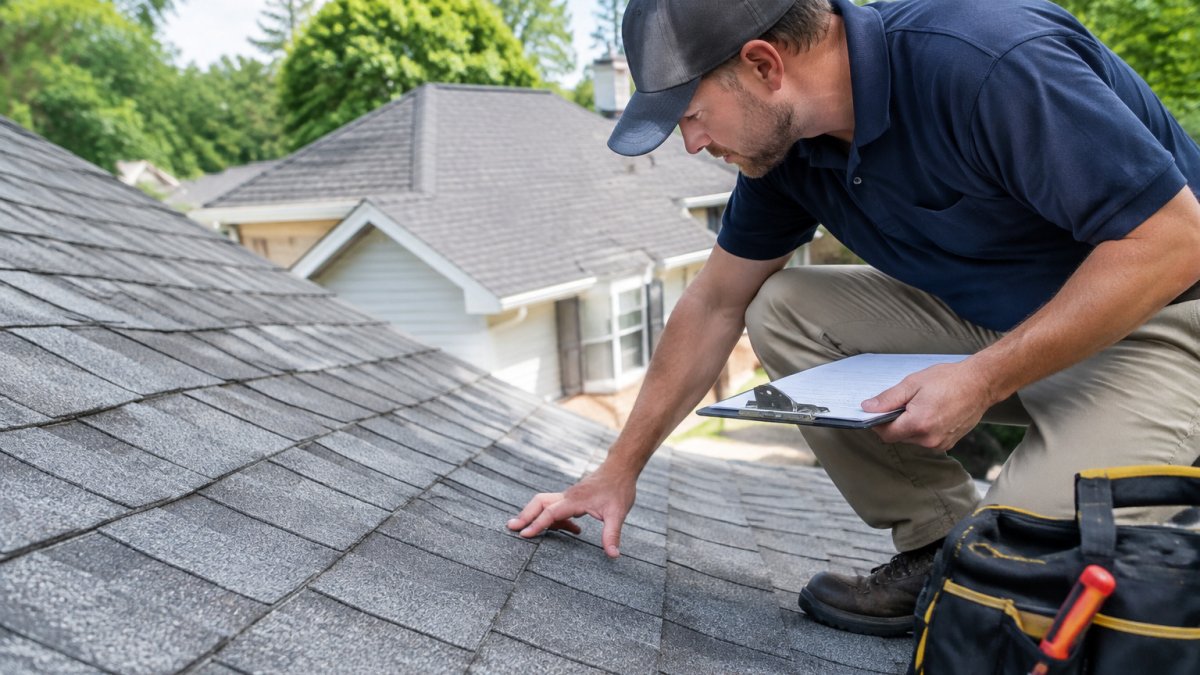
You can do a basic inspection safely from the ground and from inside your home. Use binoculars and a flashlight, and avoid walking on the roof, especially when wet or after a storm. For a complete maintenance checklist and schedule, review the full plan beyond these damage checks.
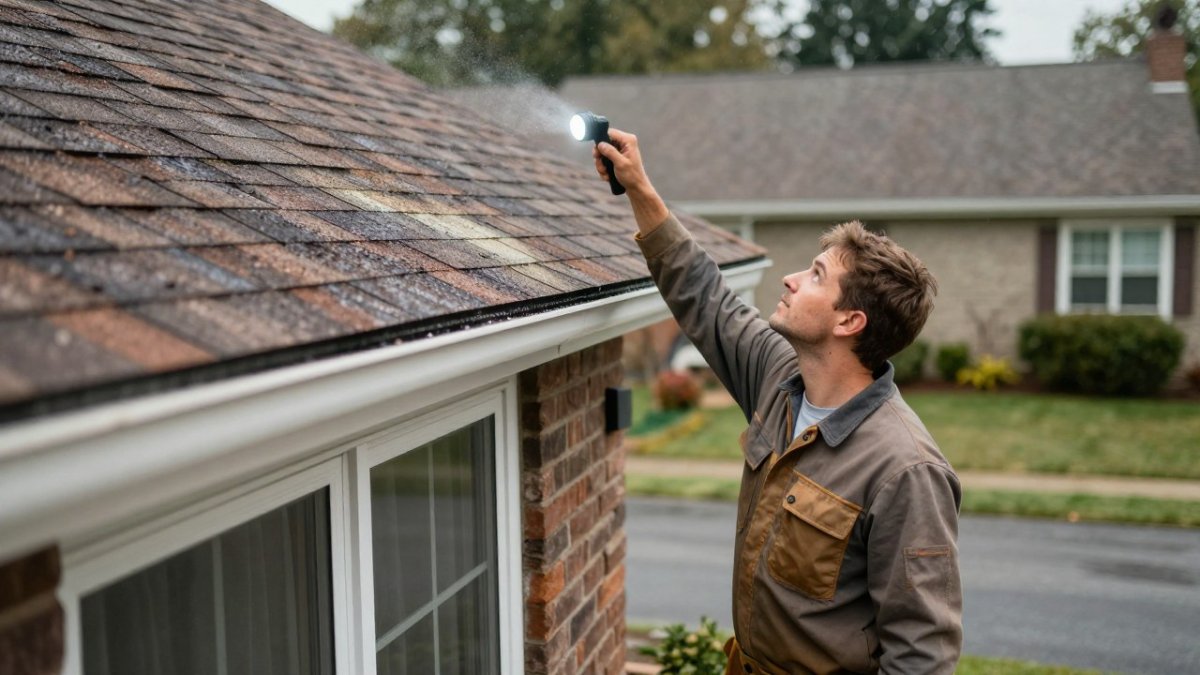
Start outside. Check whether any shingles or tiles are missing, cracked, or lying in the yard. Look at the ridge line for sagging, and scan the flashing around chimneys and vents. Note any dark streaks or lifted edges.
Next, check the gutters and downspouts. Heavy granule buildup or metal fragments in the gutters suggest shingle wear. Clear debris so you can see water flow during the next rain.
Move inside and check the top floor ceilings and walls near exterior walls. Look for stains, bubbling paint, or soft drywall. Then go into the attic with a flashlight. Look for dark wood, damp insulation, daylight around vents, and any sign of active drips. Take photos of anything you find, since they help a contractor and your insurance company.
Schedule a professional inspection when you find more than one issue or anything you cannot confirm. A written inspection gives you a clear record of conditions before you choose a repair.
What to Do Right After You Find a Leak
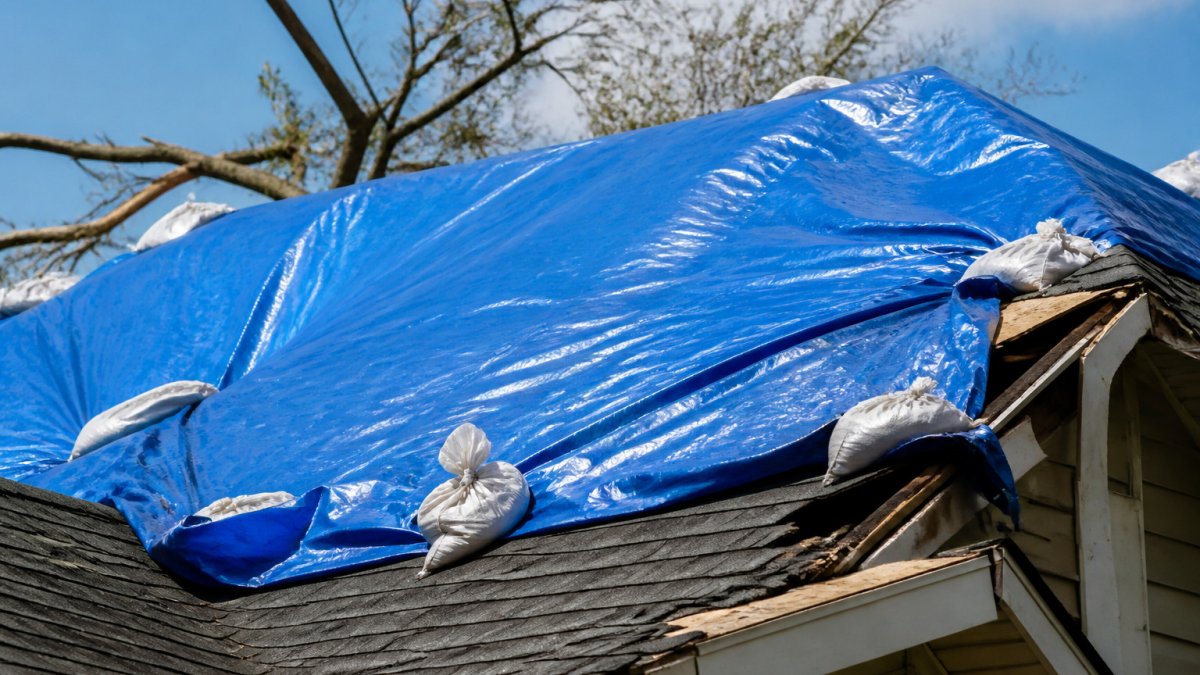
Act within the first hour if you can. Move furniture and valuables away from the drip, place a bucket or tarp beneath it, and turn off any electrical fixtures or outlets near the water. Water and electricity are a dangerous combination, so if water is near a light fixture, switch off the circuit at the breaker.
Photograph the damage before you clean anything up. Capture the stain, the wet area, and the source you can see from inside. Keep notes on when you first noticed the leak and whether it followed a storm. This documentation supports insurance claims and helps the contractor find the source.
Limit further damage by placing a tarp or container where water is entering, and by drying wet materials quickly. Standing water and damp drywall can lead to mold within a few days, so a fan or dehumidifier helps.
Then call a roofing contractor for a temporary fix or a full repair. Ask whether they offer emergency tarping and how quickly they can respond. Avoid climbing onto the roof yourself during rain or on a steep pitch.
Best Residential Roof Repair Near Me: How to Evaluate Local Roofers
Evaluating a roofer is mostly a paperwork and question-asking exercise, and you can do it before anyone climbs on your roof. To learn how to tell quality roof repairs from poor ones, read this companion guide.
Licensing and registration. Ask for the contractor's license number and confirm it through the state or local licensing authority that governs roofing in your area.
Insurance. Request a certificate of insurance showing both general liability and workers' compensation coverage, and confirm the policy is current.
Written scope and estimate. A reputable contractor provides an itemized written estimate that separates materials, labor, disposal, permits, and any allowances for hidden damage.
Warranty terms. Ask for the workmanship warranty in writing, including what it covers, how long it lasts, whether it is transferable, and how a claim is filed.
Payment schedule. A common and reasonable structure is a deposit at signing, a progress payment, and the balance on completion. Be cautious with any request for full payment upfront or a large cash deposit before materials are ordered.
References and recent local work. Ask for references from jobs similar to yours and, where possible, addresses or photos of recent work in your area.
Questions worth asking every bidder. How long have you been in business under this name? Who will actually perform the work, employees or subcontractors? How will you protect landscaping and clean up nails and debris?
Watch out: a contractor who cannot or will not show proof of licensing and insurance, or who asks you to sign a contract before any inspection, is the clearest signal to choose someone else. For a fuller guide, see hiring reliable roofing contractors.
Affordable Residential Roof Repair Near Me: Understanding Costs and Estimates
The main cost factors are the size of the damaged area, the roofing material, the roof's pitch and height, access to the work area, whether decking or framing underneath is damaged, and whether permits or specialty trades are required.
Material is usually the largest swing factor. Asphalt shingle repairs tend to be the least expensive per square because materials are common and crews are familiar with them.
Access and pitch add labor. A steep roof, a tall home, or a roof with limited ladder placement requires more setup, more fall-protection equipment, and slower work.
A common pattern in estimates is that the visible repair is a fraction of the total. Homeowners often see a small stain and assume a small bill, but the source may be a flashing failure that requires opening up a larger area to fix correctly.
Watch out: a quote that is dramatically lower than the others often omits decking repair, permits, or disposal, and the difference shows up as a change order once the roof is open. Compare scope line by line, not just the bottom line.
Because every roof is different, pricing for repair work depends on the specifics of each job. SunPro Contracting LLC does not publish standard prices; please request a quote for current pricing.
Free Residential Roof Repair Near Me: What a Free Estimate Covers, and Handyman Limits
Many roofing companies offer a free inspection and estimate. A typical free estimate includes a visit to the property, a visual inspection of the roof and attic, photos of the problem areas, and a written scope of work with pricing. It should tell you what is wrong, what it will take to fix it, and whether replacement is worth considering.
A free estimate does not usually include the repair itself, permits, or hidden damage found during tear-off. Ask what is excluded so you can compare quotes accurately.
Handyman roof repair near me can work for minor jobs, such as a single loose shingle on a low, accessible section. However, roof repairs involving flashing, decking, structural rafters, large areas, or steep pitches usually need a licensed roofing contractor with insurance and fall-protection training. A handyman may not carry the coverage or the license needed for roof work, and a failed repair can cost far more than the original problem.
Booking Your Roof Repair With SunPro Contracting LLC
When you are ready to book, SunPro Contracting LLC offers residential roof repair. You can request a quote through the SunPro Contracting LLC website.
We work with tile, shingle, and TPO roofing. Reach out to us today to request a quote.
Frequently Asked Questions
What is the average cost of fixing a roof?
Roof repair cost depends on the size of the damaged area, the roofing material, roof pitch and access, and how far water has spread into the decking. SunPro Contracting LLC does not publish standard prices, because quantity, timing and materials change the scope of each job. Ask for a written, itemized estimate that lists labor, materials, tear-off if needed, and cleanup. Compare at least two written estimates in USD before you decide, and confirm whether the price includes a workmanship warranty.
Can you repair just a section of a roof?
Yes, in many cases a contractor can repair one damaged section, such as a patch of missing shingles around a vent or a leak near a valley. Spot repairs work best when the surrounding material is still sound and matches the existing roof. If shingles are brittle, faded unevenly, or the damage covers a large share of the roof, replacing a larger area may cost less over time. A roofer should inspect the surrounding area before recommending a spot repair.
Can a handyman repair a roof?
A handyman can handle small, low-risk jobs such as resealing flashing, replacing a few shingles on a low-slope section, or clearing debris from gutters. Roof work on steep pitches, multi-story homes, or structural damage requires a licensed roofing contractor with liability insurance and workers' compensation coverage. Ask any handyman whether he carries insurance that covers work on roofs before he climbs up. For leaks that repeat, a roofing contractor is usually the safer choice.
What should I ask a roofing contractor before hiring them?
Ask how long the company has operated, whether its crew is insured, and whether it will provide a written, itemized estimate before any work begins. Request the name of the manufacturer warranty and the workmanship warranty, and confirm who handles permits. If your claim involves insurance, ask how the company works with adjusters and documents damage. SunPro Contracting LLC has more than 100 years of combined experience,