 ultimate-guide
Commercial Roof Replacement Cost 2026: Pricing Guide
Table of Contents
- Commercial Roof Replacement Cost Per Square Foot in 2026
- Total Project Cost by Building Size
- Commercial Roofing Cost by Material Type
- Key Factors That Affect Commercial Roof Replacement Cost
- Commercial Roof Replacement vs. Restoration: Cost Comparison
- Getting an Accurate Commercial Roof Replacement Estimate
- Regional Price Differences and Labor Costs
- Financing, Tax Treatment, and Insurance Considerations
- Frequently Asked Questions
Last Updated: October 11, 2026
Commercial Roof Replacement Cost Per Square Foot in 2026
Commercial roof replacement cost typically ranges from $3 to $15 per square foot for materials and installation combined, depending on the roofing system and local labor rates.
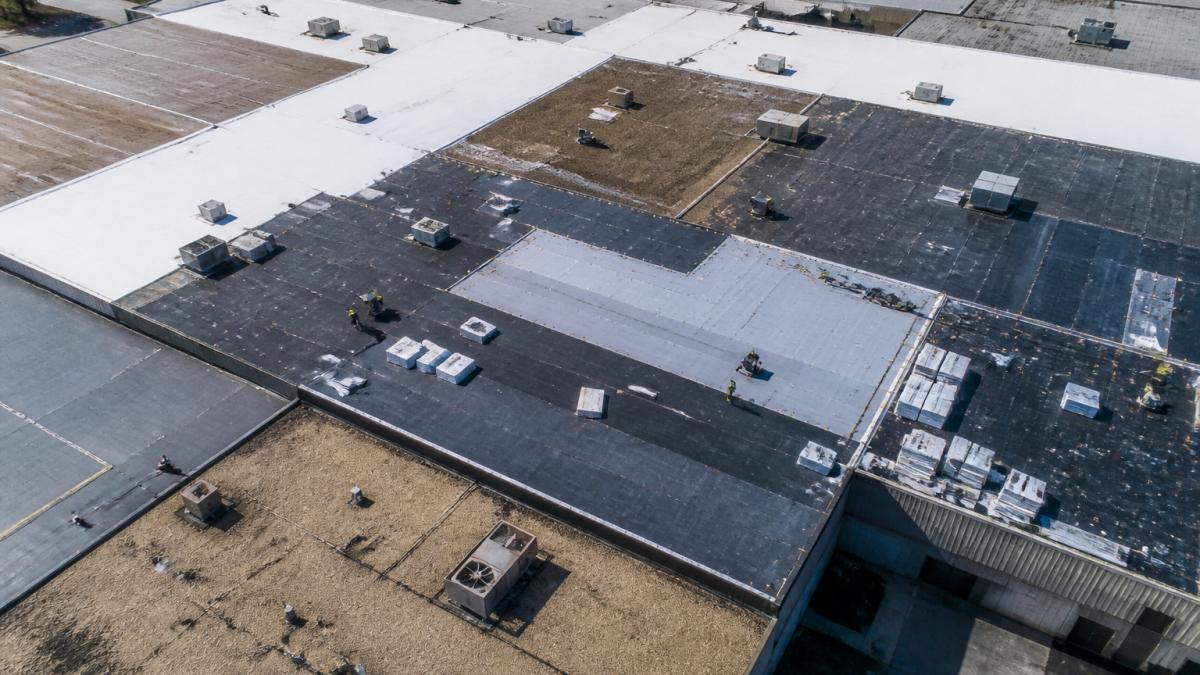
Materials account for 40-50% of total cost; labor and installation make up the remainder. Regional labor rates and roof complexity (setbacks, skylights, structural issues) significantly affect pricing.
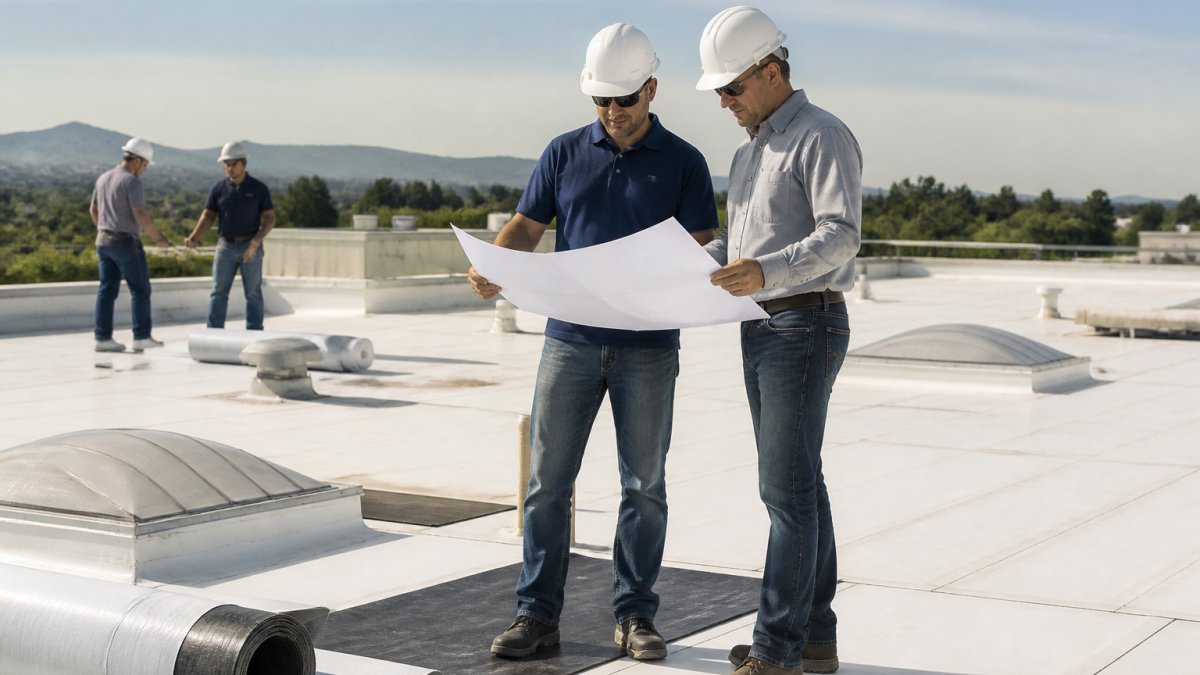
A detailed site inspection uncovers structural concerns, water damage, or insulation issues that affect cost.
Total Project Cost by Building Size
A 10,000-square-foot commercial roof replacement typically runs $50,000-$150,000; a 20,000-square-foot roof ranges $100,000-$300,000, assuming standard pitched or flat roofs without major structural repairs.
Larger roofs benefit from economies of scale: a 5,000-square-foot roof might run $10/sq ft, while a 50,000-square-foot roof averages $7/sq ft as labor and equipment costs spread across more square footage.
On a 15,000-square-foot roof, materials consume roughly $45,000-$90,000, with labor, equipment, permits, and disposal splitting the remainder.
Commercial Roofing Cost by Material Type
Single-Ply Membranes: TPO, EPDM, and PVC
Single-ply membranes dominate the market: TPO runs $2-$6/sq ft, EPDM costs $3-$7/sq ft, and PVC costs $4-$8/sq ft.
Installation labor for single-ply systems averages $2-$4/sq ft, bringing total installed costs to $4-$12/sq ft. These systems require fewer layers than built-up roofing, keeping labor costs competitive.
Built-Up Roofing and Metal Systems
Built-up roofing (BUR) costs $6-$13/sq ft installed ($3-$7 materials, $3-$6 labor).
Standing-seam metal systems range $6-$15/sq ft for materials, with installation pushing total costs to $10-$20/sq ft or higher. Metal roofs deliver 40-70 year lifespans; for long-term owners, lifecycle cost often justifies the higher initial investment.
Key Factors That Affect Commercial Roof Replacement Cost
Five primary variables affect cost: (1) roof condition, minimal damage costs less than extensive decking or joist work; (2) roof access and complexity, simple rectangular roofs cost less than those with HVAC units, skylights, or custom flashing; (3) tear-off and disposal add $1-$3/sq ft; (4) insulation and substrate work, replacement or compromised decking increases costs; (5) regional labor rates and building codes, urban and union regions charge more; peak-season work costs more than off-season.
Commercial Roof Replacement vs. Restoration: Cost Comparison
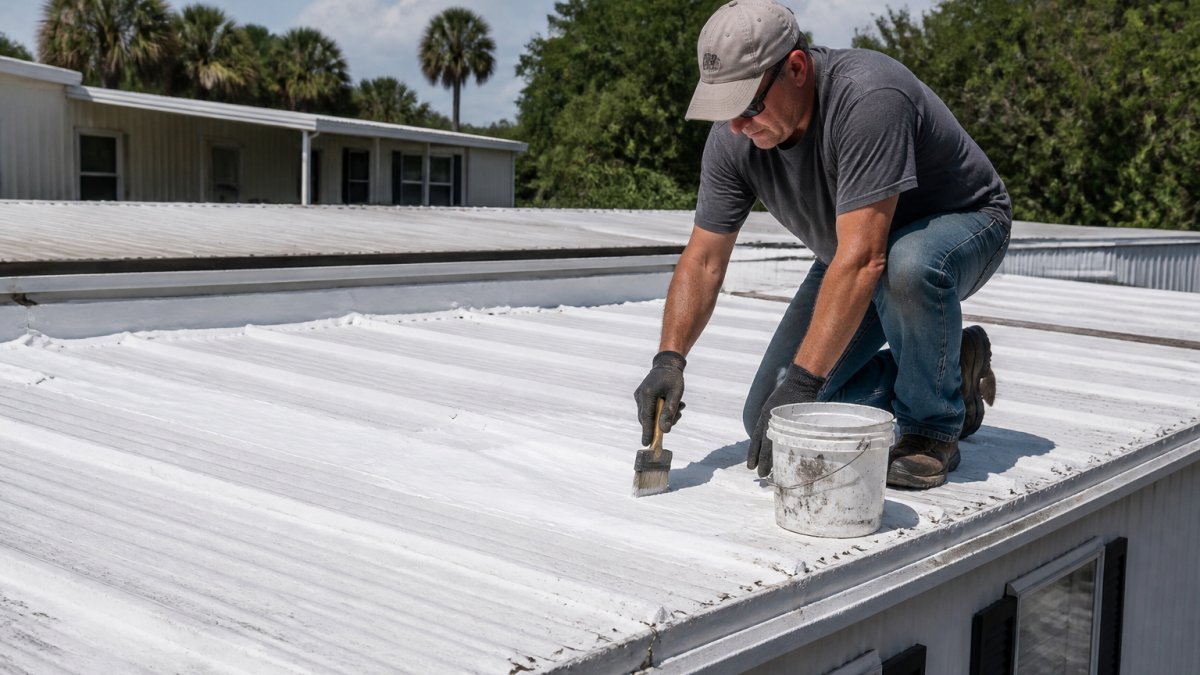
Roof restoration or coating costs $1-$3/sq ft and extends life 5-10 years, but works only if the existing roof is structurally sound. Full commercial roof replacement cost is $5-$12/sq ft with a 20-40 year lifespan. Choose based on roof condition and long-term ownership plans.
| Approach | Cost Per Sq Ft | Lifespan | Best For |
|---|---|---|---|
| Coating/Restoration | $1-$3 | 5-10 years | Short-term budget relief, minor damage |
| Full Replacement | $5-$12 | 20-40 years | Long-term ownership, structural issues |
Getting an Accurate Commercial Roof Replacement Estimate
Accurate estimates require on-site inspection and itemize materials, labor, tear-off and disposal, permits, contingency, roofing system, warranty terms, and timeline.
What a Detailed Estimate Should Include
Materials:
- TPO membrane (60-mil, 15,000 sq ft): $45,000-$60,000
- Flashing, fasteners, adhesive, miscellaneous: $3,000-$5,000
- Materials subtotal: $48,000-$65,000
Labor & Installation:
- Roof preparation and substrate inspection: $2,000-$3,500
- Membrane installation (15,000 sq ft × $2.50-$3.50/sq ft): $37,500-$52,500
- Flashing and penetration sealing: $2,500-$4,000
Tear-Off & Disposal:
- Removal of existing roof system: $15,000-$22,500
- Haul-away and disposal fees: $3,000-$4,500
- Tear-off subtotal: $18,000-$27,000
Additional Work (if needed):
- Decking repair or replacement (if discovered during tear-off): $5,000-$15,000
- Insulation replacement (if existing is compromised): $3,000-$9,000
- Structural reinforcement (if required): $2,000-$8,000
Permits & Compliance:
- Building permits and inspections: $500-$2,000
- Compliance documentation: $200-$500
- Permits subtotal: $700-$2,500
Estimated Total: $122,200-$175,000 (or roughly $8.15-$11.67 per square foot)
Per-square-foot pricing alone is misleading. A $7/sq ft quote may exclude tear-off, disposal, or contingency; itemized breakdowns reveal what's included.
Bid-Comparison Checklist
Scope & Materials:
- Roofing system specified by name and gauge (e.g., 60-mil TPO, standing-seam metal)?
- Membrane warranty length and coverage (material vs. labor vs. seams)?
- Flashing type and material specified (aluminum, galvanized steel, custom)?
Labor & Installation:
- Labor cost broken out separately from materials?
- Installation timeline specified (number of days, weather contingencies)?
- Roof access and site preparation costs included?
Tear-Off & Disposal:
- Old roof removal cost stated per square foot or as a line item?
- Disposal method and tipping fees included or excluded?
- Asbestos testing or abatement (if applicable to your building age)?
Permits & Compliance:
- Building permit cost included or quoted separately?
- Inspection fees included?
- Compliance with local wind-speed or fire-rating requirements noted?
Contingency & Change Orders:
- Contingency reserve percentage stated (10-15% is standard)?
- Change-order process documented (how are scope changes approved and priced)?
- Authority limits defined (can the contractor proceed up to a certain dollar amount, or must all changes be pre-approved)?
Warranties & Guarantees:
- Manufacturer warranty terms (years, coverage, exclusions)?
- Contractor workmanship warranty (years, what's covered)?
- Warranty transferable to future owners (if applicable)?
Exclusions & Assumptions:
- What is NOT included in the estimate (e.g., HVAC relocation, structural repairs, interior damage)?
- What assumptions is the estimate based on (e.g., no structural damage, existing insulation reused)?
- What happens if assumptions prove wrong during tear-off?
Red Flags in Estimates
Watch for these warning signs: (1) vague line items, demand itemization; (2) missing tear-off or disposal costs ($1-$3/sq ft); (3) no contingency stated; (4) broad warranty exclusions on seams, flashing, or penetrations; (5) unrealistic timelines (e.g., 50,000 sq ft in 5 days); (6) price 30% lower than others, ask why.
How to Handle Change Orders
During tear-off, hidden damage often emerges. A reputable contractor will document discoveries with photos, stop work, and request written approval before proceeding. Establish a dollar threshold upfront (e.g., changes under $2,000 proceed with a phone call; over $2,000 require written approval). Request a written change order specifying scope, cost, and timeline impact.
Regional Price Differences and Labor Costs
Commercial roof replacement cost varies by region. Urban areas with high cost of living and union presence charge 20-40% more for labor than rural areas. Permit and inspection costs vary widely ($0-$5,000+). Climate influences material choice: coastal hurricane-prone areas favor impact-resistant materials; northern snow-load regions require stronger structural support.
Financing, Tax Treatment, and Insurance Considerations
Commercial roof replacement is a capital improvement subject to depreciation under tax law. Tax, insurance, and financing coordination can reduce net cost and improve cash flow.
Tax Treatment and Depreciation
Section 179 Deduction: Qualified improvement property may allow full-cost deduction in the installation year. Bonus Depreciation: May allow deduction of a percentage in the first year. Cost Segregation Study: For larger properties, can accelerate depreciation into shorter periods (5, 7, or 15 years instead of 39), saving hundreds of thousands in taxes. **Repair vs.
Consult a CPA or tax attorney familiar with commercial real estate before finalizing your budget. Tax treatment can reduce net cost by 20-40%.
Financing Options and Cash Flow
Most commercial property owners finance roof replacement through one or more of these channels:
Equipment Financing Loans: 5-10 year terms, 6-12% interest, secured by the roof, 10-20% down payment. Predictable monthly payments aid budgeting.
Lines of Credit: Draw funds as project progresses, pay interest only on amount drawn.
SBA Loans: Up to 10 years, 7-10% rates.
Contractor Financing: Convenient but often carry higher rates (8-15%) and shorter terms.
Roof Reserve Funds: Set aside a percentage of rental income annually.
Lease Pass-Through: Leases may allow passing costs to tenants as capital improvement or common-area expense.
Insurance Coverage and Claims
Covered Perils: Most policies cover sudden, accidental damage from wind, hail, and impact.
Deductibles: Roof deductibles are often higher than other perils ($5,000-$10,000 or 5% of insured value).
Exclusions: Some policies exclude roofs over a certain age or require annual inspections and maintenance records.
Filing a Claim:
- Document the damage. Take photos and videos of the damage from multiple angles. Note the date and time of the incident.
- Notify your insurer promptly. Most policies require notice within a specified timeframe (often 30 days). Delay can result in claim denial.
- Obtain a professional inspection. The insurer will likely hire an adjuster to assess the damage. You may also hire your own inspector to verify the adjuster's findings.
- Provide receipts and estimates. Submit repair estimates from licensed contractors. The insurer will use these to determine the claim amount.
- Review the settlement. If the insurer's offer is lower than your estimates, you can dispute it or request an independent appraisal.
- Coordinate with financing. If you're financing the replacement, notify your lender of the insurance claim. The lender may require that insurance proceeds be applied to the loan balance or held in escrow until the roof is completed.
Review your policy with your agent before an incident. Confirm coverage limits, deductibles, and RCV inclusion.
Timing and Cash Flow Planning
- Insurance claim: Claim proceeds can offset financing costs; coordinate settlement with financing timeline.
- Tax year planning: Complete replacement before year-end to maximize Section 179 or bonus depreciation deductions.
- Operating cash flow: Finance during strong cash-flow quarters to absorb monthly payments more easily.
Work with your accountant, lender, and insurance agent to develop a coordinated timeline that minimizes net cost and aligns with your business cycle.
Frequently Asked Questions
How much does it cost to replace a commercial roof?
Commercial roof replacement cost depends on roof area, roofing material, building complexity, and local labor rates. Most projects range from $15,000 for small buildings to $500,000+ for large facilities. Per-square-foot installed costs typically range from $8 to $20, depending on the roofing system. Contact SunPro Contracting for a detailed estimate based on your specific roof condition and building size.
What factors affect commercial roof replacement cost per square foot?
Major factors include roofing material type (TPO, EPDM, metal, or built-up systems), roof condition and structural repairs needed, tear-off and disposal requirements, building access and complexity, regional labor rates, permit and code compliance costs, and insulation or decking replacement. Steeper pitches, skylights, and HVAC penetrations also increase per-square-foot pricing. A thorough roof inspection reveals which factors apply to your project.
Is it cheaper to restore or replace a commercial roof?
Roof restoration (coating or repairs) costs 40-60% less than full replacement, typically $3-6 per square foot versus $8-20 for replacement. Restoration works for roofs with 5-10 years of service life remaining and no structural damage. Full replacement is necessary when the roof has water damage, leaks that persist after repairs, or nears end of life. Restoration may extend roof life 5-10 years; replacement provides 15-25 years of protection, making it better long-term value for aging roofs.
What should a commercial roof replacement estimate include?
A complete estimate must itemize roof area (in square feet), roofing material and system specifications, tear-off and disposal costs, labor and installation fees, insulation or structural repairs, permits and inspections, warranty terms, and project timeline. Avoid contractors who provide only a lump-sum figure without breakdown. We provide transparent, itemized estimates so you understand exactly what you're paying for and can compare bids fairly.
How often does a commercial roof need to be replaced?
Service life depends on roofing material and maintenance. TPO and EPDM membranes typically last 15-20 years; PVC lasts 20-25 years; metal roofing lasts 25-40 years; built-up roofing lasts 15-20 years. Regular maintenance and roof coatings can extend life by 5-10 years. Most commercial roofs reach replacement point between 15-25 years. Annual inspections help identify water damage, leaks, or drainage problems early, preventing emergency replacements.
Will a new roof reduce my insurance for my commercial building?
Yes, a new roof often qualifies for insurance premium reductions. Many insurers offer discounts of 5-15% for roofs less than 10 years old, depending on material, coverage, and your building's risk profile. Contact your insurance agent before replacement to confirm discount eligibility and ensure the roofing material and installation meet policy requirements. Proper documentation of the new roof's age and specifications helps maximize your savings.
How do commercial roof replacement costs vary by roofing material?
TPO and EPDM membranes cost $8-12 per square foot installed; PVC costs $12-18; metal roofing costs $15-25; built-up roofing costs $10-16. Single-ply membranes offer lower upfront cost and fast installation; metal provides longest lifespan and durability; built-up systems suit flat roofs with heavy traffic. Material choice depends on climate, building use, budget, and desired service life. We specialize in diverse roofing types including Tile, Shingles, and TPO.