 blog
Hiring Reliable Roofing Contractors: A 2026 Guide
Table of Contents
- Why Hiring a Reliable Roofing Contractor Matters
- Questions to Ask a Roofing Contractor Before You Hire
- Roofing Contractor License and Insurance Verification
- Understanding Your Roof Replacement Estimate Checklist
- Red Flags: Warning Signs of an Unreliable Contractor
- Your Roofing Contractor Checklist: What to Verify
- Getting Written Estimates, Contracts, and Warranties
- Conclusion
- Frequently Asked Questions
Last Updated: October 20, 2026
Why Hiring a Reliable Roofing Contractor Matters
When you need roofing work done, the contractor you choose determines whether your home stays protected or becomes vulnerable to leaks, storm damage, and costly repairs down the road. Hiring reliable roofing contractors in Florida isn't just about finding someone with a ladder and a nail gun. It's about securing someone who will show up on time, complete the job properly, and stand behind their work when problems arise.
At SunPro Contracting LLC, we've seen too many homeowners struggle with contractors who disappear mid-project, leave behind shoddy workmanship, or fail to pull proper permits. The difference between a contractor who cuts corners and one who delivers quality work often comes down to a few critical questions asked upfront and verified thoroughly.
A reliable roofing contractor brings more than just technical skill. They bring accountability, insurance protection, and the peace of mind that comes from knowing your roof, one of your home's most critical systems, is in competent hands. In Florida's climate, where hurricanes, intense sun, and heavy rain put constant pressure on roofing systems, this distinction matters even more.
Questions to Ask a Roofing Contractor Before You Hire
Before you sign anything, you need answers to specific questions that reveal whether a contractor is legitimate and trustworthy. These aren't casual inquiries, they're your first line of defense against unreliable work.
Start by asking how long the company has been in business. A contractor with a decade or more of experience has weathered market changes, customer complaints, and the test of time. New companies can be excellent, but longevity signals stability. When a contractor tells you they've been around for years, verify it independently.
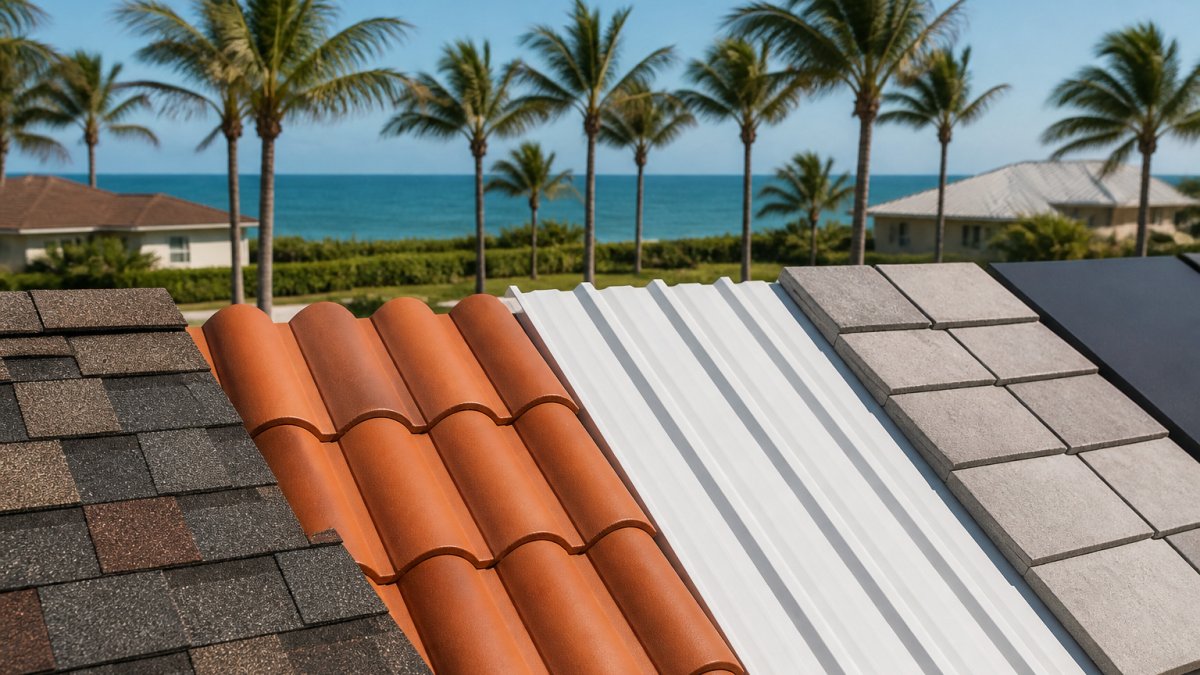
Ask about their experience with your specific roofing type. Tile roofing, shingles, TPO, metal, each requires different techniques and expertise. A contractor experienced with one type may struggle with another. You want someone who has completed dozens of projects matching yours, not someone learning on your dime.
Request references from recent jobs. Don't just collect names and numbers. Call those customers. Ask whether the work was completed on schedule, whether the crew was professional, and whether any problems emerged after completion. References reveal patterns that a contractor's sales pitch won't.
Ask about their licensing and insurance before anything else. This is non-negotiable. A contractor operating without proper credentials exposes you to liability if someone gets injured on your property or if the work damages your home further.
Roofing Contractor License and Insurance Verification
Verification isn't optional, it's essential protection. In Florida, roofing contractors must be licensed, and you need to confirm this independently rather than taking their word for it.
Check your contractor's license through the Florida Department of Business and Professional Regulation (DBPR). Their website allows you to search by contractor name or license number. Verify that the license is current and active, not expired or suspended. A suspended license often indicates unresolved complaints or violations. Don't hire anyone whose license status is unclear.
Insurance is equally critical. Ask for proof of general liability insurance and workers' compensation coverage. General liability protects you if the contractor damages your property. Workers' compensation protects you if someone gets injured during the work. Request certificates of insurance directly from the insurance company, not from the contractor. This prevents them from showing you outdated or fraudulent documents.
Call the insurance company to confirm coverage is active. Scammers sometimes present fake insurance certificates. A five-minute phone call eliminates this risk entirely. Verify that the coverage amounts are adequate, minimum liability should be at least $1 million for most residential projects.
Ask whether the contractor carries bonding. A performance bond guarantees that if the contractor fails to complete the work, the bonding company will cover the cost of hiring someone else to finish (Surety bonds). It's an extra layer of protection that separates serious operators from fly-by-night outfits.
Understanding Your Roof Replacement Estimate Checklist
A solid estimate does more than give you a price. It documents exactly what work will be done, what materials will be used, and what you can expect when the job is complete. A vague estimate is a red flag.
Your estimate should itemize labor, materials, and any permits separately. You should see line items for removal of old roofing, installation of new materials, flashing, underlayment, and cleanup.
The estimate should specify the roofing material brand and grade. Not all shingles are created equal. A contractor quoting "standard asphalt shingles" is hiding important details. You need to know whether they're using 20-year, 30-year, or premium materials.
Ask about the warranty. The estimate should clearly state what the contractor guarantees and for how long. Does the warranty cover materials only, or labor as well? Does it cover wind damage, leaks, or both?
Request that the estimate include a timeline. When will work start? How many days will it take? What happens if weather delays the project? A contractor who can't give you a realistic schedule hasn't thought through the logistics.
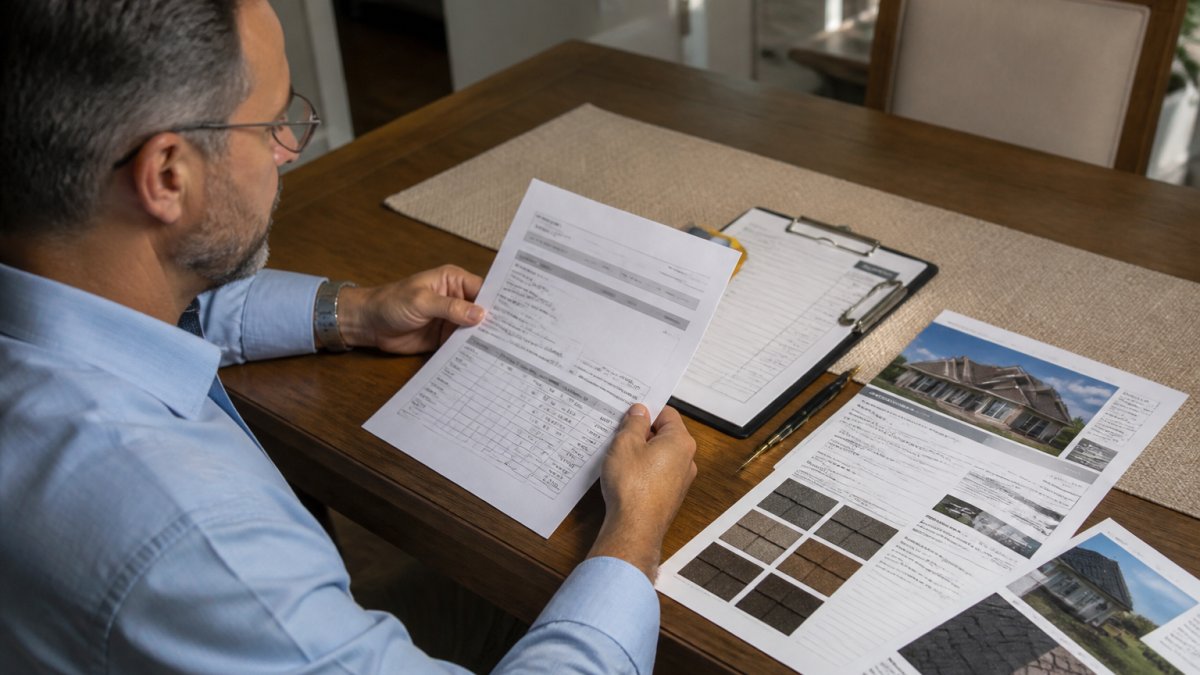
The estimate should also address storm readiness. In Florida, this matters. Ask whether the contractor will use hurricane-resistant fasteners, impact-resistant materials, or other upgrades that protect against severe weather. This conversation early on prevents surprises later.
Red Flags: Warning Signs of an Unreliable Contractor
Certain behaviors signal that a contractor is not worth hiring. Learn to recognize them and walk away when you see them.
A contractor who demands full payment upfront is a major red flag. Legitimate contractors typically ask for a deposit, often 25-50% of the total cost, with the balance due upon completion.
Pressure to sign immediately is another warning sign. A contractor who says "this price is only good today" or "I'm only in your area this week" is using high-pressure sales tactics. Legitimate contractors don't need to rush you.
Reluctance to provide references or a license number should end the conversation. If a contractor gets defensive when you ask for verification, that defensiveness is telling you something. Reliable contractors have nothing to hide and welcome the chance to prove their credentials.
Avoid contractors who quote significantly lower than others. When estimates vary wildly, the lowest one often reflects cut corners, inferior materials, rushed timelines, or incomplete work. You get what you pay for. An estimate that seems too good to be true usually is.
A contractor without a physical business address is suspicious. They might have a phone number and email, but no office or established location. This setup makes them easy to disappear.
Unwillingness to provide a written contract is a dealbreaker. Everything should be documented: scope of work, timeline, payment terms, warranty, and dispute resolution. Verbal agreements leave you unprotected. If a contractor resists putting terms in writing, find someone else.
Your Roofing Contractor Checklist: What to Verify
Before you sign a contract, verify these specific items. This checklist protects you by ensuring you've done your homework.
First, confirm the contractor's license status through the Florida DBPR website. Write down the license number and verify date. Second, request and verify insurance certificates directly with the insurance company. Don't rely on documents the contractor provides. Third, call at least three references from recent projects and ask specific questions about timeline, quality, and post-completion issues.
Fourth, get the estimate in writing with itemized details. Fifth, confirm that all materials are specified by brand and grade. Sixth, verify that the estimate includes labor, materials, permits, and cleanup as separate line items. Seventh, ensure the contract includes a clear warranty statement and timeline.
Eighth, check whether the contractor has bonding. Ninth, confirm they'll pull all necessary permits rather than asking you to handle it. Tenth, ask about their process for handling change orders, what happens if unexpected issues emerge during the work?
| Item | Action | Why It Matters |
|---|---|---|
| License | Verify through DBPR website | Confirms legal authorization |
| Insurance | Call insurance company directly | Protects you from liability |
| References | Call 3 recent customers | Reveals actual work quality |
| Written Estimate | Get itemized breakdown | Prevents surprise charges |
| Material Specs | Confirm brand and grade | Ensures quality materials |
| Contract | Review all terms before signing | Protects both parties |
| Warranty | Confirm coverage and duration | Guarantees workmanship |
| Permits | Contractor pulls permits | Ensures code compliance |
Getting Written Estimates, Contracts, and Warranties
Everything must be in writing. Verbal agreements create disputes because people remember conversations differently. Documentation eliminates ambiguity.
When you receive an estimate, review it carefully before accepting it. Does it match what you discussed? Are all materials specified clearly? Is the timeline realistic? If anything seems vague or incomplete, ask for clarification before accepting the estimate.
Once you decide to hire a contractor, the estimate becomes the foundation of your contract.
The payment schedule matters. A standard arrangement is one-third deposit, one-third upon reaching a specific milestone, and one-third upon completion. This structure incentivizes the contractor to finish quality work on time. Avoid any arrangement that requires you to pay significantly before the work is done.
Your warranty should be specific. "We stand behind our work" is meaningless. A real warranty states: "We guarantee all labor for two years and materials for the duration of the manufacturer's warranty." It specifies what's covered, leaks, wind damage, workmanship, and what's not.
Request a written warranty document, not just verbal assurance. Ask whether the warranty transfers if you sell the home. Some warranties are non-transferable, which reduces the value of the work when you sell.
Before signing, have a lawyer review the contract if the project cost is significant. A brief legal review costs far less than fighting a dispute later. The lawyer will catch unfavorable terms you might miss.
Conclusion
Hiring reliable roofing contractors in Florida requires more than finding someone with good reviews. It means verifying credentials, asking detailed questions, getting everything in writing, and recognizing red flags before you sign. The time you invest upfront, checking licenses, calling references, reviewing estimates carefully, prevents expensive mistakes and protects your home's most critical system.
At SunPro Contracting LLC, we've built our reputation over more than 100 years of combined industry experience by delivering the reliability homeowners expect. We pull permits, carry full insurance, provide itemized estimates, and stand behind every roof we install or repair. When you're ready to move forward with hiring reliable roofing contractors in Florida, contact us today and we'll provide a detailed estimate with no hidden charges, just honest, professional roofing work.
Frequently Asked Questions
How do I verify a roofing contractor's license and insurance?
Contact your state's licensing board to confirm the contractor holds an active license. Request proof of general liability and workers' compensation insurance directly from the contractor, and ask them to provide the insurer's contact details so you can verify coverage independently. Never accept verbal assurances, always get written documentation. Reliable roofing contractors keep this information readily available and encourage verification.
What should I check before hiring a roofing contractor?
Verify licensing, insurance, and bonding status. Request references from recent projects and call them. Check online reviews and the Better Business Bureau. Get written estimates from at least three contractors. Ask about their experience with your specific roofing type and whether they handle storm damage claims. Confirm they carry workers' compensation insurance and ask how long they've been in business. A reliable contractor will answer all questions directly.
What are warning signs of an unreliable roofing contractor?
Be cautious of contractors who demand full payment upfront, pressure you into same-day decisions, lack proper licensing or insurance, provide only verbal estimates, guarantee work without site inspection, or use high-pressure sales tactics. Avoid those unwilling to provide references or who won't put terms in writing. Reliable contractors take time to assess your roof, provide detailed written estimates, and never rush you into a contract.
How many roofing estimates should I get before hiring?
Obtain at least three written estimates from different contractors. This allows you to compare pricing, materials, timelines, and warranty terms. Each estimate should itemize labor, materials, permits, and disposal costs. Comparing multiple estimates helps you identify outliers, estimates significantly lower than others may indicate corner-cutting, while higher estimates may reflect superior materials or workmanship. Use estimates to make an informed decision, not just the cheapest option.