 Ultimate guide
Customized Roofing Solutions for Facility Maintenance Guide
Quick Summary
Customized roofing solutions tailor maintenance to the specific roof a facility has, based on its age, material, drainage, weather exposure and how the building is used. Facility managers should combine regular inspections, a written maintenance program and a structured repair-versus-replacement framework to prevent small problems from becoming costly disruptions.
- Inspect the roof twice a year and after major storms, documenting each area with photos.
- Check seams, flashing, drainage, surface condition, penetrations and interior ceilings during every inspection.
- Score the roof on damage extent, remaining service life, repair frequency and operational impact.
- Replace the roof when leaks recur across multiple areas or insulation is saturated.
- Request a written, itemized estimate from a contractor before any maintenance work begins.
Table of Contents
- Why Facility Maintenance Needs Customized Roofing Solutions
- Commercial Roof Inspection Checklist for Assessing Roof Health
- Building a Commercial Roof Maintenance Program
- Commercial Roof Repair Versus Replacement: A Decision Framework
- Commercial Roof Maintenance Cost, Budgeting and Lifecycle Return
- Emergency Response, Tenant Coordination and Digital Roof Records
- Booking Your Roof Assessment With SunPro Contracting
- Frequently Asked Questions
Why Facility Maintenance Needs Customized Roofing Solutions
A flat commercial roof rarely fails all at once. It starts with a seam that lifts, a drain that backs up after a storm, or a patch that was never sealed properly. For a facility manager, each of those small problems turns into operational disruption, tenant complaints and unplanned spending if nobody is tracking the roof's condition.
That is why a one-size approach to roofing rarely works for facilities. A warehouse with a single-ply membrane, a medical office with rooftop HVAC units and a retail strip with older built-up roofing each need a different maintenance plan. Customized roofing solutions start with the roof you actually have, its age, its drainage, its exposure to weather and how the building is used.
The sections below walk through how to inspect a roof, build a maintenance program, decide between repair and replacement, budget for the work and plan for emergencies.
Commercial Roof Inspection Checklist for Assessing Roof Health
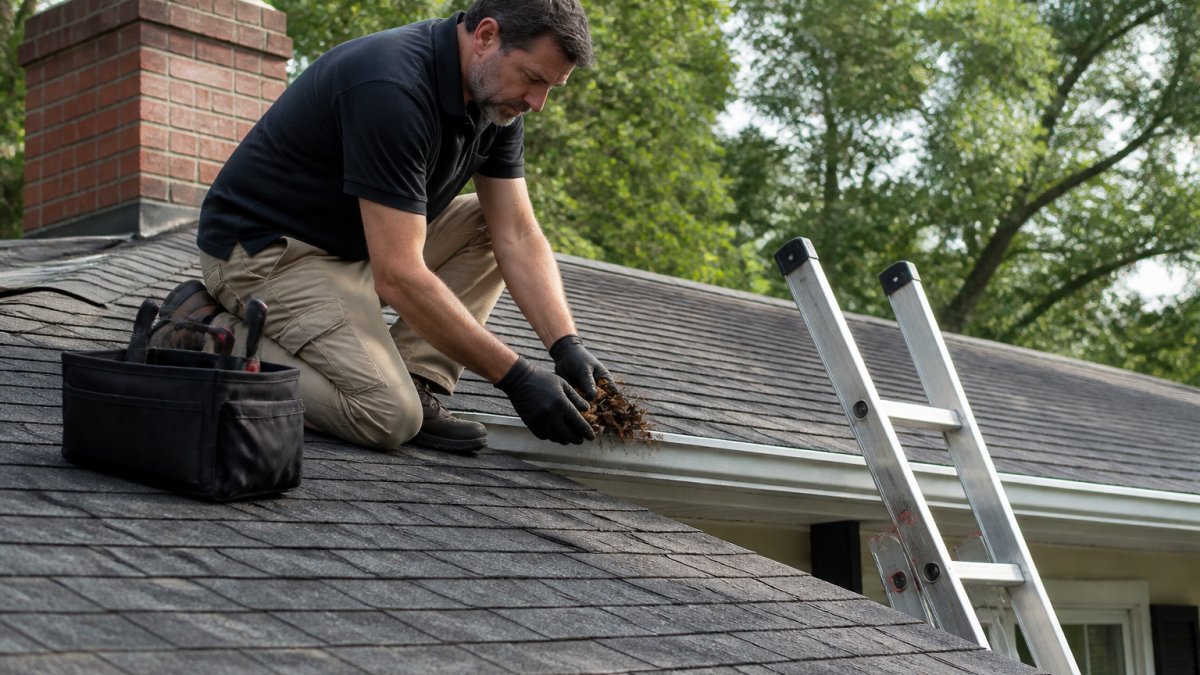
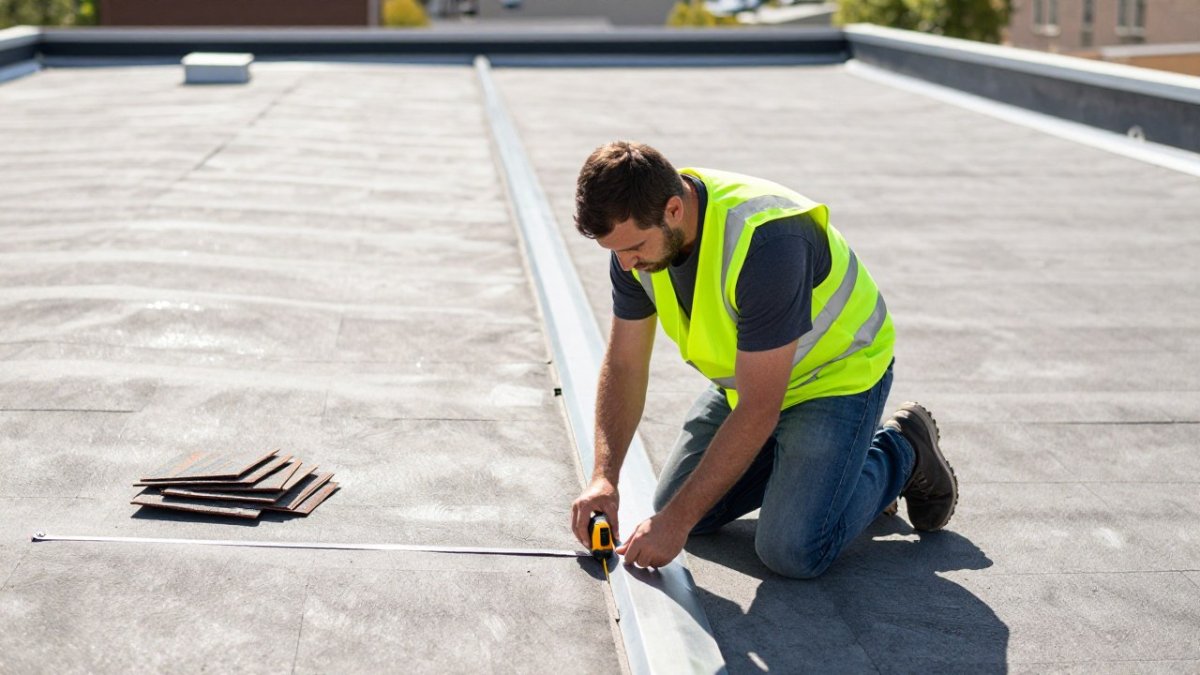
A useful inspection starts with a clear record of what the roof looks like today. Walk the full roof, document each area with photos and note anything that differs from the last visit. Repeat the same checks on a fixed schedule so changes stand out.
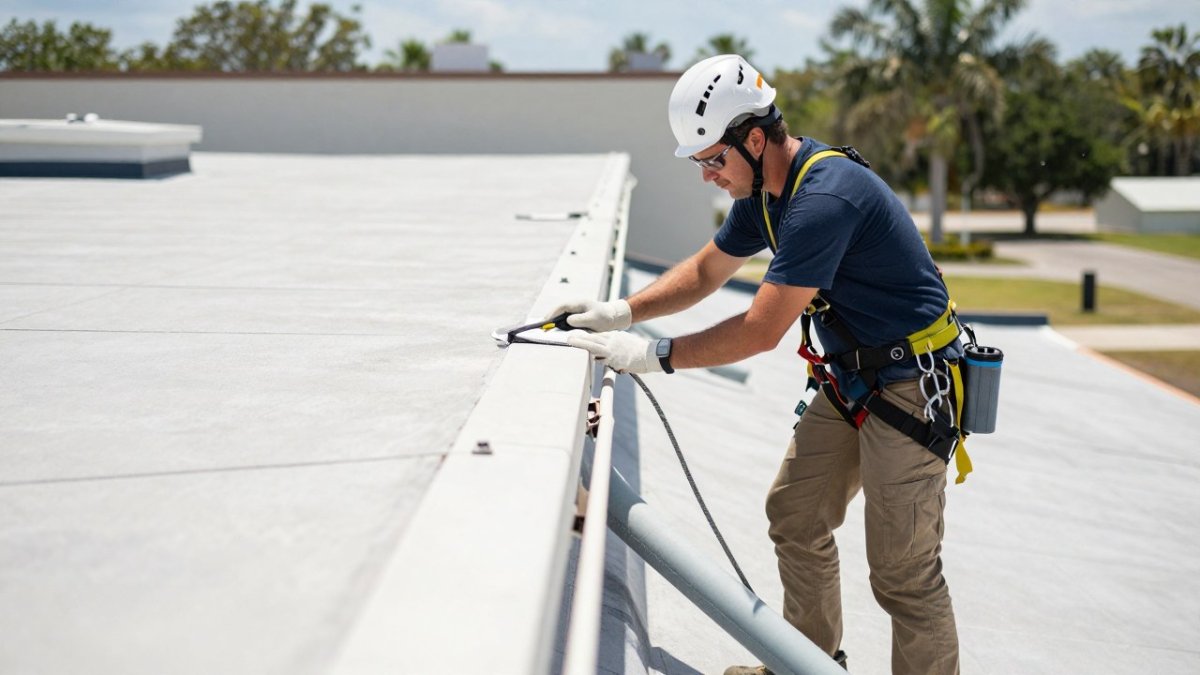
Key Items to Check During Each Inspection
- Seams and flashing: Look for lifted edges, cracked sealant and separation at penetrations such as vents, curbs and parapet walls.
- Drainage: Check drains, scuppers and gutters for debris, and note any ponding water that stays after rain.
- Surface condition: Look for blisters, cracks, bare spots, granule loss on shingles or coating breakdown.
- Penetrations and rooftop equipment: Inspect HVAC curbs, pipes and mounts for loose fasteners and deteriorated seals.
- Interior signs: Check ceilings and walls below the roof for stains, soft spots or new moisture.
- Access and safety: Confirm ladders, hatches and walkways are sound and that fall protection is in place before anyone walks the roof.
Watch out: Walking a wet or heavily ponded roof without fall protection is a common cause of injury. Schedule inspections for dry conditions and keep the roof access documented.
Building a Commercial Roof Maintenance Program
A maintenance program turns inspections into decisions. Start with a roof inventory: roof type, installation date, material, warranty status and past repairs. That record shows which areas need attention first and which warranties still apply.
Most facilities benefit from a preventive schedule with recurring inspections, usually twice a year and after major storms, plus scheduled cleaning of drains and gutters. Tie each finding to a work order so repairs are prioritized by risk to the building and its occupants rather than by whoever called last.
| Program Type | Best For | Typical Activity | Trade-off |
|---|---|---|---|
| Reactive | Low-risk, short-life buildings | Repair after failure | Lowest upfront cost, highest disruption |
| Scheduled inspection | Most commercial buildings | Recurring inspections, minor repairs | Moderate cost, catches problems early |
| Condition-based | Large or high-value facilities | Inspection data guides each repair | Requires good records, best long-term value |
Commercial Roof Repair Versus Replacement: A Decision Framework
Repair makes sense when damage is localized, the underlying system is sound and the remaining service life justifies the cost. Replacement becomes the better choice when leaks recur in multiple areas, insulation is saturated or repairs are adding up faster than a new roof would cost. But for a facility manager, the decision is rarely that simple. The right choice depends on the roof type, its condition, the building's operational needs and the owner's budget cycle.
Use a structured framework to compare options. Start by scoring the roof on four dimensions: extent of damage (isolated vs. widespread), remaining service life (based on age, material and inspection findings), repair frequency (number of repairs in the past three years) and operational impact (disruption to tenants, equipment or production). A simple 1-5 score for each dimension helps prioritize interventions and justify the decision to ownership.
| Decision Factor | Favor Repair | Favor Replacement |
|---|---|---|
| Damage extent | Isolated to a few areas | Widespread or recurring across sections |
| Remaining service life | More than 5 years | Less than 3 years or unknown |
| Repair history | Fewer than two repairs in three years | Three or more repairs in three years |
| Insulation condition | Dry and intact | Saturated or failing |
| Warranty status | Active and transferable | Expired or void due to repairs |
| Operational disruption | Can be scheduled around business hours | Requires full roof access and extended downtime |
Pros and cons of common repair approaches:
- Spot repair: Fast and inexpensive for isolated cracks or failed seams. It does not address aging across the whole roof and may void portions of the warranty if not performed by a qualified contractor.
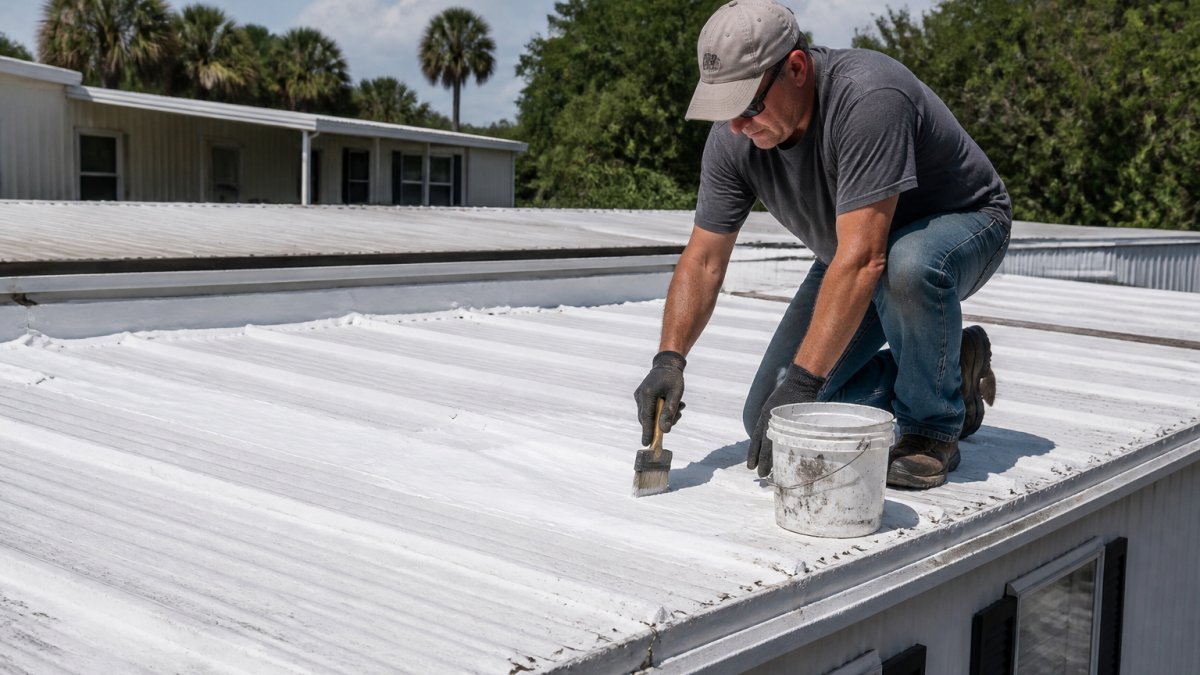
- Recoating: Extends service life on sound membranes and can improve reflectivity. It is not suitable where the substrate is wet or failing, and proper surface preparation is critical.
- Overlay or full replacement: Resolves widespread problems and resets the warranty clock. It is the most disruptive and expensive option, but it can be the lowest lifecycle cost when the existing roof is near the end of its service life.
Watch out: Choosing repair solely on upfront price can lead to repeated leaks and higher total cost if the underlying system is already compromised. Always compare the total cost of ownership over the remaining service life, not just the immediate invoice.
For a facility-specific decision, ask your roofing contractor to provide a written condition assessment with photos and a recommended path. A qualified contractor can also help you model the cost of repair versus replacement over a five- or ten-year horizon, so you can present a clear business case to ownership.
Commercial Roof Maintenance Cost, Budgeting and Lifecycle Return
Maintenance costs depend on roof size, material, access difficulty, the number of penetrations and how far the roof has deteriorated. Pricing depends on those factors and on the scope agreed for each visit, so ask for a written, itemized estimate before any work begins. For current pricing, contact SunPro Contracting LLC through its website for a quote.
But a facility manager needs more than a per-visit price. Budget across the roof's lifecycle rather than year to year. A practical approach is to build a simple roof asset budget that separates planned maintenance, reactive repairs and capital replacement. Planned inspections and small repairs generally cost less than emergency work after an interior leak has damaged finishes, equipment and inventory. Track the cost of each repair alongside the condition findings so you can show whether the program is extending the roof's life.
Use a lifecycle cost comparison to evaluate repair versus replacement. For each option, estimate the initial cost, annual maintenance cost, expected service life and disposal or overlay costs.
A common pattern is to allocate a portion of the roof's replacement value to an annual maintenance reserve. Adjust any reserve based on the roof's condition and repair history.
Track avoided costs as part of your return on investment. Document emergency repairs that were prevented, interior damage that did not occur and warranty claims that were preserved because maintenance was performed.
For a more detailed walk-through of costs and return on investment, contact SunPro Contracting LLC for a site-specific quote.
Emergency Response, Tenant Coordination and Digital Roof Records
Leaks rarely wait for business hours. Set up an emergency contact sequence before you need it, including who can authorize work, how the roofing contractor is reached and where the building's roof drawings and warranty documents are stored.
Coordinate with tenants and facility staff early. Tell them where work will happen, when noise or foot traffic will affect them and how to report new leaks. Protect equipment and stock below active repair areas.
Keep roof records in a shared digital system: inspection photos, repair history, warranty dates and open work orders. A searchable record lets a new facility manager pick up the program without starting from zero.
Booking Your Roof Assessment With SunPro Contracting
If your facility has an aging roof, recurring leaks or no written maintenance plan, a professional assessment is the fastest way to find out where you stand. SunPro Contracting LLC can review your roof's condition and recommend a repair or replacement path.
Start with an assessment of the roof you have today. You can explore our roof repair services to see what that work covers, or review our full range of roofing services to compare repair against replacement options. Planning a long-term program? Look at roof coating options as a preventive step. If a leak is active right now, our emergency commercial roof repair guide explains the immediate steps to take, and our commercial roof inspection checklist gives you a detailed item-by-item reference for the next inspection.
Contact SunPro Contracting LLC to schedule your roof assessment today.
Frequently Asked Questions
What is a good preventive roof maintenance program for a commercial facility?
A good preventive program combines scheduled inspections, prompt repairs of small defects, and a written plan that tracks the roof's condition over time. Most facility managers schedule a professional inspection at least twice a year, typically in spring and fall, and after major storms. The program should cover drainage, flashing, seams, penetrations, and roof access points. Keeping inspection records and work orders lets you spot recurring leaks early and justify repair versus replacement decisions with documented history.
How often should a commercial roof be inspected?
Most commercial roofs benefit from periodic inspection, with an additional check after severe weather. Roofs with known leaks, ponding water, or aging materials may need quarterly reviews. Inspections should also follow any major mechanical work on the roof, since rooftop equipment often disturbs membranes and flashing. Consistent timing makes it easier to compare conditions from one visit to the next.
When should a commercial roof be repaired rather than replaced?
A roof is generally a good candidate for repair when damage is localized, the underlying deck and insulation are dry, and the roofing system still has meaningful service life. Replacement becomes more cost-effective when leaks are widespread, repairs repeat in the same areas, or the membrane has lost its flexibility. Comparing the cost of ongoing repairs against the expense and operational disruption of a full replacement, using condition data and maintenance history, supports the decision.
How much does an annual commercial roof maintenance inspection cost?
Pricing depends on roof size, roof type, access requirements, and how much documentation you need. Because every facility is different, pricing depends on the factors above. For current pricing tailored to your building, contact SunPro Contracting LLC through its website for a quote. Ask for an itemized estimate that lists the inspection scope, any follow-up repairs, and how additional work would be approved before it begins.
How can facility managers identify roof problems before they cause leaks?
Look for early warning signs such as cracked or blistered membranes, lifted flashing, debris clogging drains, standing water that remains more than 48 hours after rain, and stains on interior ceilings or walls. Logging these observations with dates and photos gives your roofing contractor the information needed to prioritize repairs before water enters the building.
What should facility managers include in a roof maintenance plan?
A solid roof maintenance plan includes a roof asset inventory with material type, age, and warranty details; a schedule of recurring inspections; a list of known problem areas; drainage and gutter cleaning dates; roof access and fall protection procedures; and an emergency contact process. It should also define how repairs are prioritized and how tenants or occupants will be notified when work could affect operations. Keeping this plan updated in a shared digital record makes it easier to hand off responsibilities between staff.
Can SunPro Contracting handle emergency roof repairs for commercial buildings?
SunPro Contracting provides urgent roofing repairs for commercial facilities in Central Florida. Response times vary with conditions and scheduling, so the most reliable approach is to contact the company directly through its website and describe the situation, including any active leaks and where they are located. Ask about the response process before an emergency happens so your facility team knows what to expect and who to call.