 How-to
Storm Roof Repair Timeline: What to Expect Step by Step
Last Updated: November 21, 2026
Quick Summary
Storm damage restoration on a residential roof usually takes between two and twelve weeks from the first call to the final inspection. Timing depends on the severity of the damage, how fast the insurance claim moves, and how quickly materials and crews can be scheduled.
- Emergency tarping protects the roof deck, attic, and interior until permanent repairs can be made.
- Insurance claim review is often the longest wait, sometimes several weeks.
- Permits, materials, and scheduling typically take one to three weeks.
- A targeted repair is often finished in a day or two once materials and crews are available.
- Keep receipts for tarping work, since they may be part of your claim.
Table of Contents
- How Long Storm Damage Restoration Takes on a Residential Roof
- Step 1: Emergency Roof Tarping After a Storm
- Step 2: Roof Storm Damage Inspection and Documentation
- Step 3: Roof Insurance Claim Timeline, Adjuster Visits, and Supplements
- Step 4: Permits, Materials, and Scheduling the Work
- How Long Does Roof Replacement Take Compared With Repair
- What to Do While You Wait Between Phases
- Booking Your Storm Roof Assessment With SunPro Contracting
- Frequently Asked Questions
Storm damage restoration on a residential roof usually takes between two and twelve weeks from the first call to the final inspection. The exact timing depends on how bad the damage is, how fast your insurance claim moves, and how quickly materials and crews can be scheduled. The steps below show what most homeowners can expect at each stage.
Storm damage restoration is the full sequence of emergency protection, inspection, insurance paperwork, permits, and repair or replacement that brings a damaged roof back to working order. Knowing the order of these steps helps you plan your time, your budget, and your family's routine.
How Long Storm Damage Restoration Takes on a Residential Roof
Most storm roof projects move through the same phases, but each phase can run longer or shorter than expected. Here is a simple breakdown:
- Emergency tarping: Timing varies with the damage and crew availability
- Inspection and documentation: Usually within a few days of the first call
- Insurance claim review: Often the longest wait, sometimes several weeks
- Permits, materials, and scheduling: Typically one to three weeks
- Repair or replacement work: Often a few days for a repair, longer for a full replacement
- Final inspection and close-out: Usually a few days after the work is done
Keep in mind that these ranges are general. A small leak with a clear claim can wrap up quickly, while a large loss with a disputed scope can stretch for months. The rest of this guide explains why each phase takes the time it does.
Step 1: Emergency Roof Tarping After a Storm
The first job after a storm is stopping more water from getting in. A tarp is a temporary cover that protects the roof deck, attic, and interior until permanent repairs can be made.
Tarping is often worth the cost when:
- Shingles, tiles, or metal panels are missing or lifted
- There is an open hole or a torn section of roof
- Rain is in the forecast before repairs can start
- Water is already coming into the ceiling or walls
A common mistake is waiting for a full inspection before covering an exposed area. Water damage can get worse within hours, and insurance adjusters generally expect homeowners to take reasonable steps to prevent further loss. Keep receipts for any tarping work, since they may be part of your claim.
Safety note: Do not climb onto a damaged roof yourself. Wet, cracked, or sagging roofing can give way without warning. Call a professional.
Step 2: Roof Storm Damage Inspection and Documentation
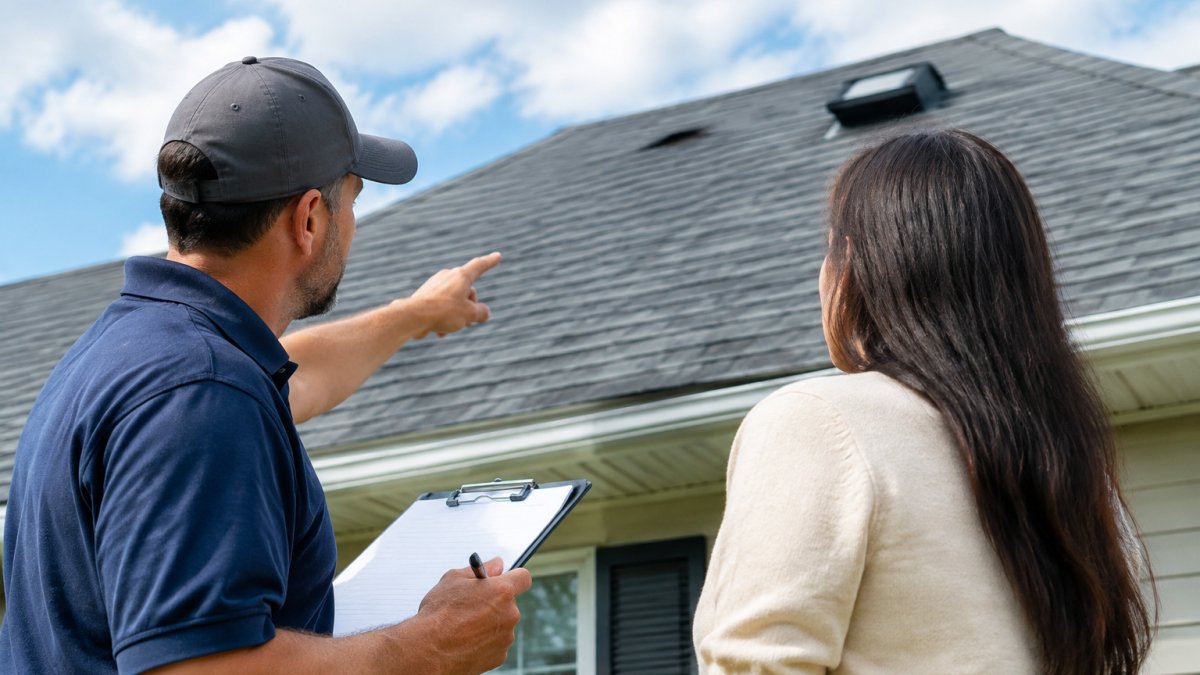
A proper inspection tells you what was damaged, how severe it is, and what repairs are needed. It also creates the paper trail your insurance claim depends on.
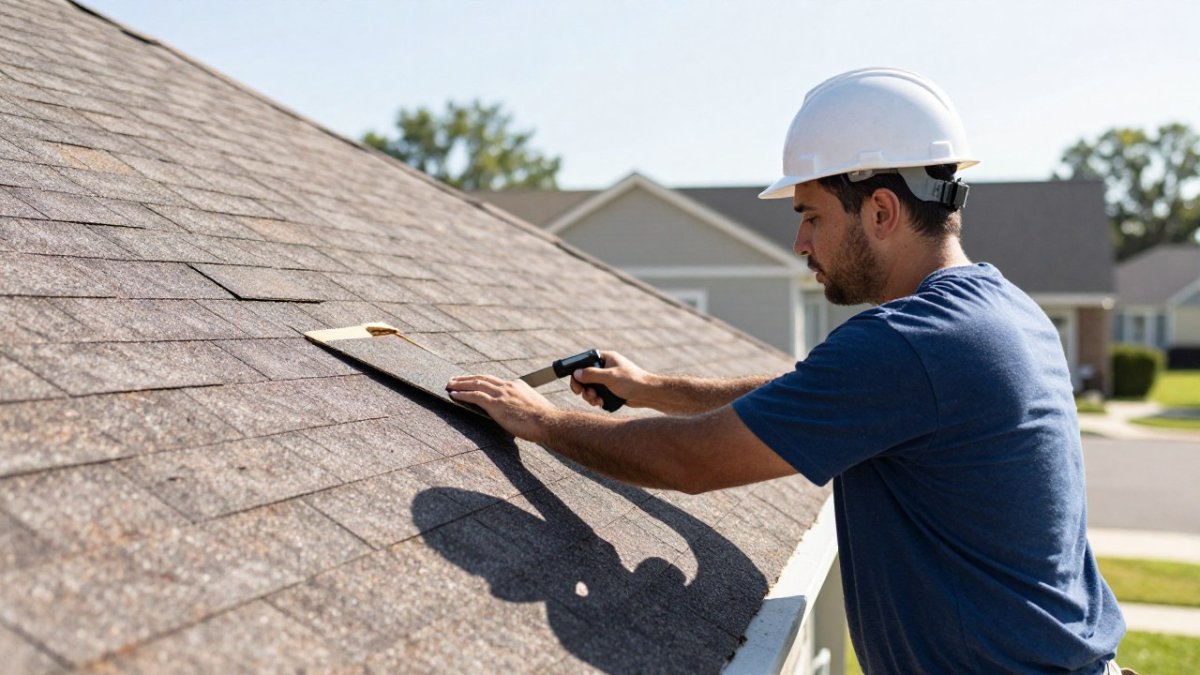
During the inspection, a qualified roofer typically checks:
- Shingle or tile condition, including cracks, curling, and missing pieces
- Flashing around chimneys, vents, and valleys
- Gutters, downspouts, and fascia boards
- Signs of water intrusion in the attic and ceilings
- Soft spots or sagging areas in the roof deck
Documentation matters as much as the inspection itself. Take your own photos and videos before anyone else touches the roof, and write down the date and time of the storm. For detailed guidance on documenting storm damage for insurance, see how to document roof storm damage for insurance. Save any written estimates and inspection reports.
Step 3: Roof Insurance Claim Timeline, Adjuster Visits, and Supplements
For most homeowners, the insurance claim sets the pace of the whole project. The physical roofing work may take a few days, but the claim can add weeks. Understanding how the claim actually moves, and where it stalls, is the single best way to predict your timeline.
A typical residential roof claim moves through these stages, with realistic ranges:
- Filing the claim: Same day to a few days after the storm. Report the damage as soon as you have photos and a date of loss.
- Adjuster assignment and inspection: Commonly 3 to 10 business days in normal conditions; after a widespread storm, adjuster availability can push this to two to four weeks or longer.
- Adjuster estimate and claim decision: Usually 5 to 15 business days after the inspection, depending on the insurer's workload and whether the scope is straightforward.
- Contractor review and supplement request: A few days to two weeks, depending on how quickly hidden damage is documented.
- Payment issuance: Typically 5 to 10 business days after the claim is approved, minus your deductible.
Two mechanics drive most of the delay. The first is adjuster availability. After a major hail or wind event, a single adjuster may handle dozens of claims in your area, and inspection appointments fill quickly.
A related concept is depreciation and recoverable depreciation. Many policies pay the actual cash value first, the replacement cost minus depreciation, and release the recoverable depreciation after the work is complete and invoiced. That two-stage payment can make the project feel slower than it is, because the final funds arrive only after completion.
If your insurer's estimate leaves out work you believe is needed, ask for a written explanation and have your contractor submit supporting photos, measurements, and code references. Keep copies of everything you send and receive.
Watch out: Do not sign a final completion certificate or release before you have confirmed that all supplement work is included in the final payment, or you may lose leverage on disputed scope items.
The insurance claim usually sets the pace of the whole project, and each stage has its own typical timing.
| Claim stage | Typical timing | Common delay |
|---|---|---|
| Filing the claim | Same day to a few days after the storm | Waiting to gather photos and a date of loss |
| Adjuster inspection | 3 to 10 business days normally | Two to four weeks or more after a widespread storm |
| Adjuster estimate and decision | 5 to 15 business days after inspection | Insurer workload and scope complexity |
| Contractor review and supplement | A few days to two weeks | Hidden damage found after shingles are removed |
| Payment issuance | 5 to 10 business days after approval | Deductible subtracted from payment |
Step 4: Permits, Materials, and Scheduling the Work
Once the claim is approved, the repair moves to the planning stage. For the full repair workflow from start to finish, see our storm damage roof repair step-by-step process.
Permits. Many jurisdictions require a permit for roof repairs above a minor threshold and for all full replacements. Approval time varies by workload and by whether the scope triggers additional inspections. A straightforward residential re-roof permit often clears in a few business days to two weeks; complex scopes or backlogged departments can take longer.
Materials. Shingles, tiles, metal panels, and underlayment can be in short supply after a large storm. Material lead time is often the hidden reason a project sits idle after the claim is approved.
Crew scheduling. Roofing companies fill their calendars quickly after severe weather. Ask for a written start window and a realistic completion estimate, not just a start date.
Repair versus replacement scheduling. A targeted repair, a few missing shingles, a damaged flashing, a small leak, is often completed in a day or two once materials and a crew are available, and it rarely waits on a long material order. A full replacement takes longer because the crew must strip the roof, inspect and repair the deck, install underlayment, and set the new material, and it depends on a larger material order and a longer crew block. For a typical single-family home, the active work on a replacement often runs several days, but the total project timeline from first call to final inspection can run several weeks once permitting and material lead times are included.
Pricing depends on the material, the size and pitch of the roof, and the scope of the repair. For current prices or a quote, contact SunPro Contracting LLC through our website. Ask for a written estimate so you can compare the scope against your insurance estimate.
Watch out: A low bid that promises an immediate start can signal a crew that is not permitting the work or not ordering materials through normal channels, confirm the permit and the material order in writing before you pay a deposit.
How Long Does Roof Replacement Take Compared With Repair
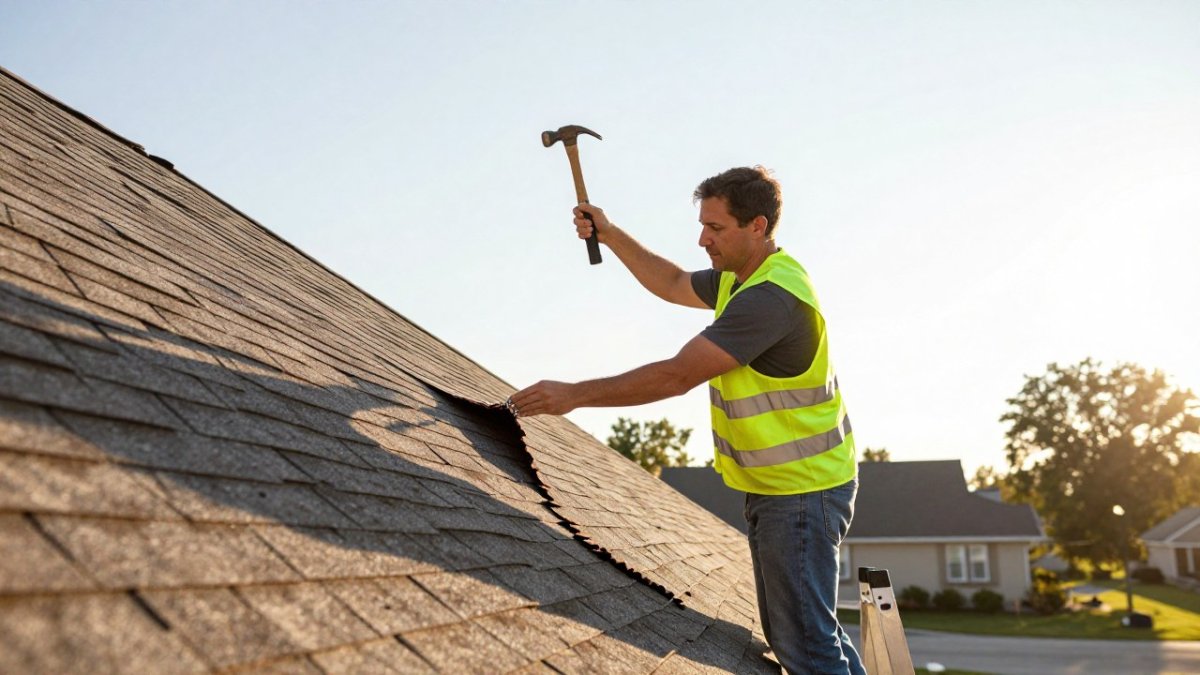
A repair fixes a specific problem, such as a few missing shingles, a damaged flashing, or a small leak. Many repairs are finished in a day or two once materials and crews are available.
A full replacement removes the old roofing down to the deck and installs a new system. It takes longer because the crew must strip the roof, check the deck, install underlayment, and set the new material. For a typical single-family home, a replacement often takes several days of active work, even though the total project timeline from first call to final inspection can run several weeks.
Deciding between repair and replacement depends on the age of the roof, how much of it is damaged, and what your insurance covers. If the damage is spread across large sections, replacement may be the more practical choice. If it is limited, a targeted repair may be enough.
What to Do While You Wait Between Phases
The waiting periods are where many homeowners get frustrated. A few simple habits can keep the project moving:
- Keep a folder with the claim number, adjuster contact, inspection reports, photos, and receipts
- Write down every call and email with the date, time, and person you spoke with
- Check your roof and interior after each rainstorm and report any new leaks right away
- Ask your contractor for a realistic start window and confirm it in writing
- Clear the area around the house so crews have safe access
If the adjuster is slow to respond, follow up in writing after a reasonable period. If a supplement is denied, ask for the reason in writing and consider having your contractor reply with supporting documentation.
Booking Your Storm Roof Assessment With SunPro Contracting
If your roof took storm damage, the sooner it is inspected, the sooner your claim and repairs can move forward. SunPro Contracting LLC handles residential and commercial roofing, including storm repairs, full replacements, and maintenance, and can help you understand the next steps in the process. You can learn more about the repair services we offer on our roof repair service page, and if you are working through the claim itself, our guide on filing a roof insurance claim successfully walks through each step.
To get started, call SunPro Contracting LLC or request an assessment through our website.
Frequently Asked Questions
How long do you have to claim roof damage from a storm?
Deadlines depend on your policy and state law, so check your policy and contact your insurer as soon as you notice damage. Many policies require prompt notice after a storm, and delays can complicate or reduce a claim. Document the damage with dated photos, keep any temporary repair receipts, and file the claim promptly rather than waiting for the timeline to become a problem. A licensed roofer can document the damage in writing to support your claim.
How long does storm damage restoration take for a residential roof?
For most residential roofs, the full process from first contact to completion usually spans one to four weeks for straightforward repairs. Larger jobs, insurance disputes, permit approvals, and material shortages can extend it considerably. Emergency tarping can happen within days, while the insurance review and scheduled repair often take the bulk of the time. Actual duration depends on damage severity, weather, and scheduling, so ask for a written timeline during your assessment.
Can a roof be temporarily repaired while I wait for permanent restoration?
Yes. Temporary tarping or sealing protects the interior from water intrusion while the claim is reviewed and materials are scheduled. Keep records of the temporary work, including photos and invoices, because insurers often reimburse reasonable emergency protection costs. Temporary repairs are a stopgap, not a substitute for a permanent fix, so schedule the permanent work once your claim is approved.