 blog
Sun Contracting: What Central Florida Homeowners Should Know
Last Updated: November 26, 2026
Quick Summary
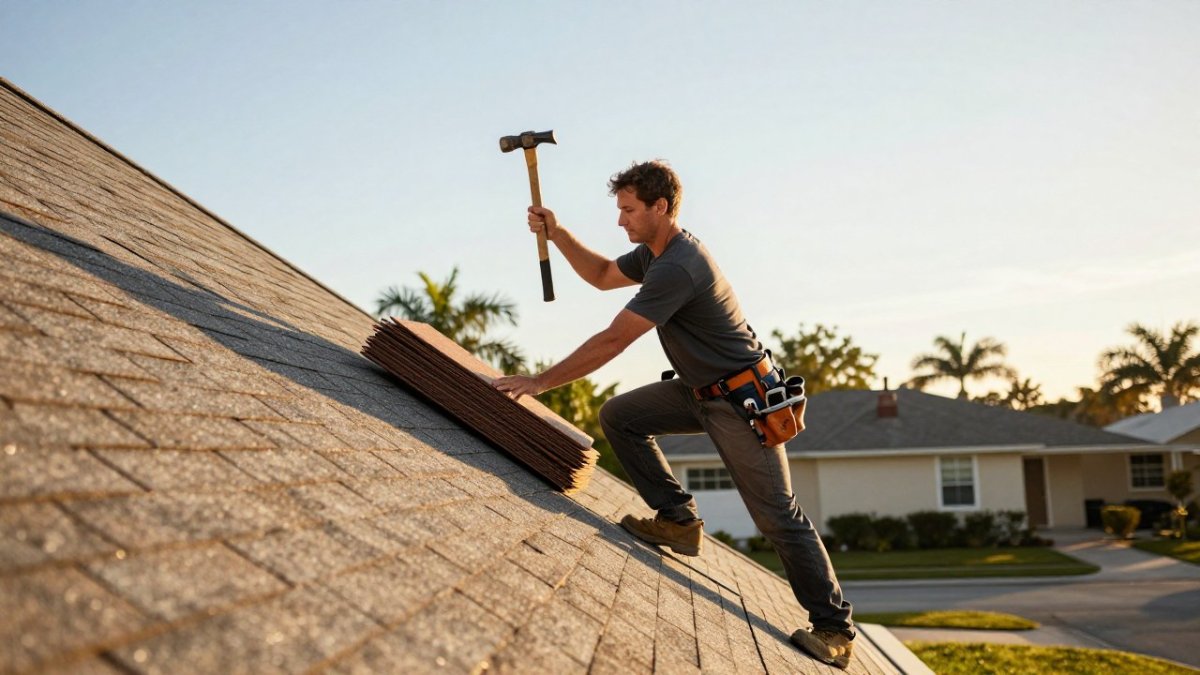
For Central Florida homeowners, sun contracting means hiring a licensed roofing and exterior contractor to protect a home against intense sun, heavy rain, and hurricane-season wind. SunPro Contracting LLC handles residential and commercial roofing, painting, gutters, and masonry, and provides written, itemized estimates before any work begins.
- Sun contracting can also mean solar work, so confirm which services you actually need before calling.
- Repair suits localized damage on a sound roof; replacement is considered when damage is widespread.
- Bring an itemized estimate checklist and compare bids line by line, not total to total.
- Ask for the legal entity name on the contract and confirm it matches the company you researched.
- Have your address, roof age, visible damage, and insurance claim details ready when you call.
Table of Contents
- What Does Sun Contracting Mean for Central Florida Homeowners?
- What Services Does SunPro Contracting Offer?
- Roof Repair and Replacement: Matching the Fix to the Damage
- The Roofing Estimate Checklist Every Homeowner Should Bring
- Questions to Ask a Roofing Contractor Before You Sign
- Why Storm Damage and Mobile Home Roofs Need a Closer Look
- Requesting a Written Estimate From SunPro Contracting
- Frequently Asked Questions
What Does Sun Contracting Mean for Central Florida Homeowners?
For Central Florida homeowners, sun contracting means hiring a licensed roofing and exterior contractor to protect a home against intense sun, heavy rain, and hurricane-season wind.
The term itself gets used loosely. Some people mean solar energy work.
SunPro Contracting LLC serves residential and commercial roofing, painting, gutters, and masonry. Below, we walk through what the work covers, how to tell a repair from a replacement, and the questions worth asking before anyone climbs a ladder.
What Services Does SunPro Contracting Offer?
The name "sun contracting" gets applied to two very different businesses, and the services list is where that confusion shows up. One meaning is exterior contracting, roofing, painting, gutters, and masonry, done by a company that understands how sun, rain, and wind wear on a building. The other meaning is solar contracting: photovoltaic system design and installation, battery storage, electricity supply and energy management, and in some models a marketplace for peer-to-peer energy trading.
SunPro Contracting operates on the exterior-contracting side. The company handles residential and commercial roofing, roof repair and replacement, interior and exterior painting, gutter services, and masonry.
Roofing, Painting, Gutters and Masonry Under One Roof
Our roofing work covers tile, shingles, and TPO. To see the full lineup and request the service that fits your problem, review our roofing services.
How Exterior Contracting Differs From Solar Contracting
The two models differ in what they sell, how they are financed, and what risk the homeowner carries. The table below is a comparison framework, not a quote, actual terms vary by contractor and by project.
| Dimension | Exterior contracting (roofing, paint, gutters, masonry) | Solar contracting (photovoltaic, storage, supply) |
|---|---|---|
| What you buy | A completed repair or replacement on the building envelope | A generating or storage system, sometimes bundled with an electricity supply contract |
| Typical financing | Pay on completion, milestone payments, or an insurance claim | Cash, a loan, a lease, or a power purchase agreement |
| Who owns the equipment | You own the finished work | You, the installer, or a third-party financier, depending on the contract |
| Maintenance | Periodic inspection; warranty covers defects | Panel cleaning, inverter service, monitoring, and battery replacement over time |
| Contract length | Days to weeks of work, plus a warranty period | Multi-year supply, lease, or PPA terms are common |
| Savings mechanism | Avoided future repair cost and water damage | Offset electricity bills, and in marketplace models, credits from exported energy |
| Main risk to you | Poor workmanship, leaks, warranty gaps | Production shortfalls, financing terms, and counterparty solvency |
A roof replacement is a one-time transaction with a warranty tail. A solar lease or power purchase agreement can run for many years and may complicate a home sale if the buyer will not assume it. Neither model is better in the abstract; they answer different questions.
Where Energy Storage and Peer-to-Peer Models Fit
Battery storage and peer-to-peer energy trading are solar-side services, not exterior-contracting services. A storage system shifts solar production to evening hours, and marketplace models let a homeowner sell or credit exported energy to other participants.
Watch out: a company that markets solar, storage, and energy supply under one brand may be a different legal entity from the roofing contractor you thought you called. Ask for the legal entity name on the contract and confirm it matches the company you researched.
Roof Repair and Replacement: Matching the Fix to the Damage
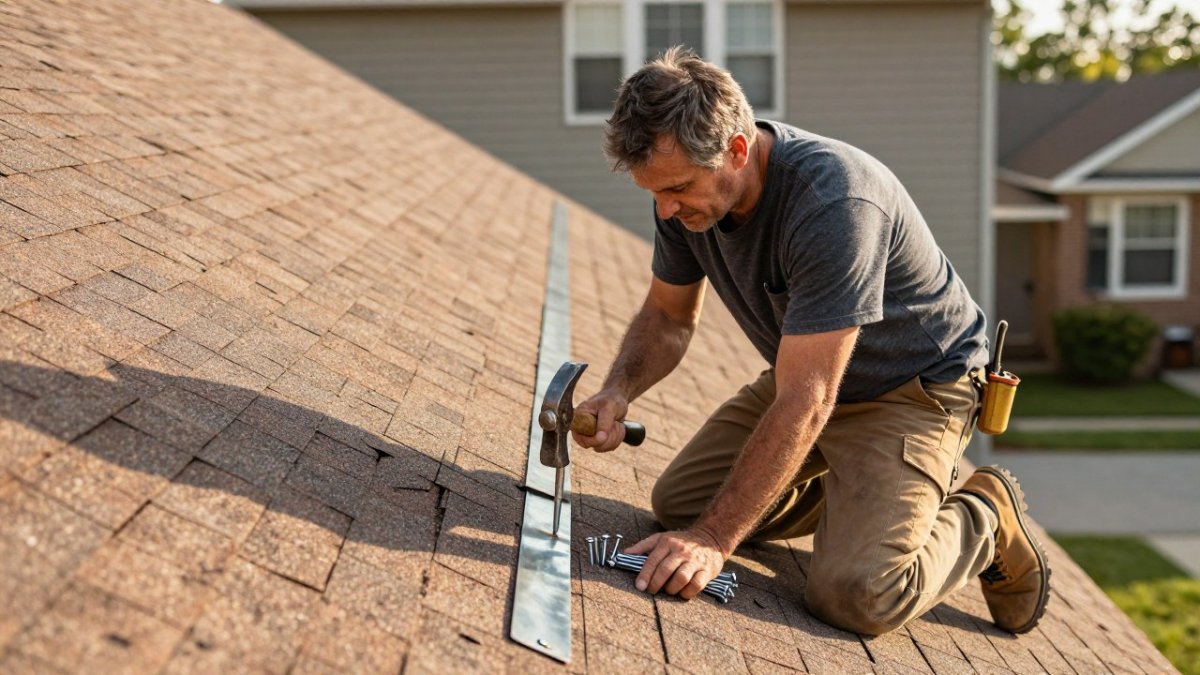
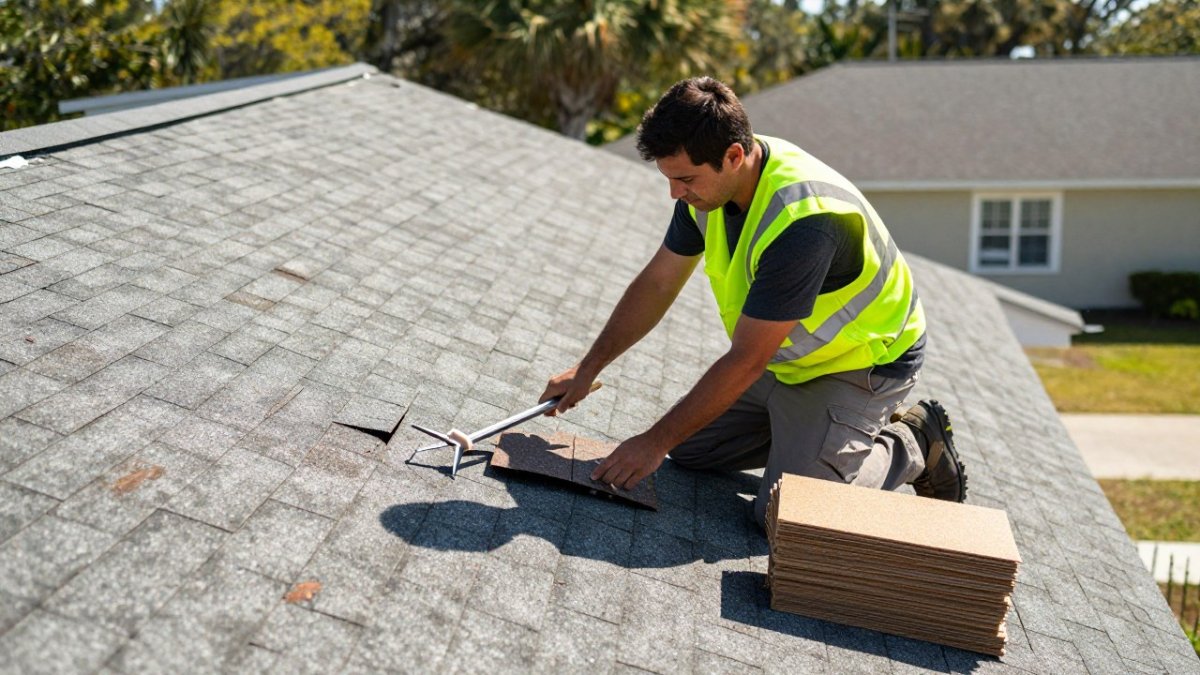
The right fix depends on how much of the roof is damaged and where the damage sits. A single failed flashing or a few cracked tiles usually calls for repair. Widespread shingle loss, sagging, or water reaching the decking usually points to replacement.
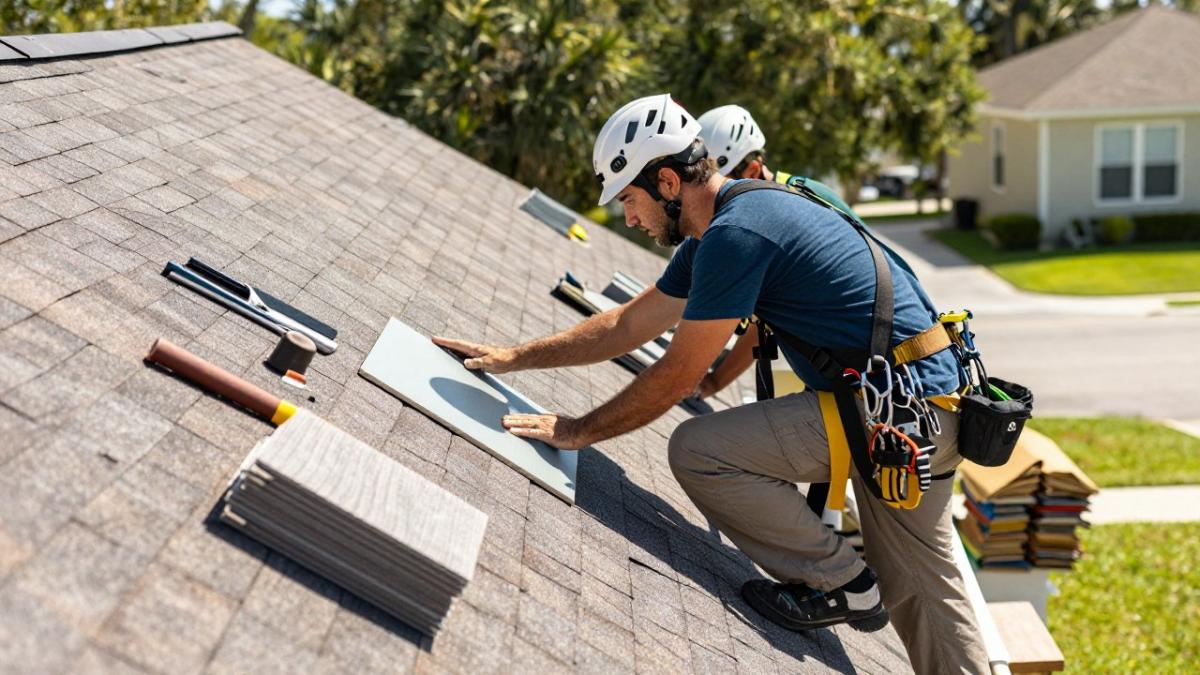
When a Repair Is Enough and When Replacement Makes More Sense
Repair is generally suited to localized damage on an otherwise sound roof, while replacement is generally considered when a roof is near the end of its life or damage is widespread. A licensed contractor can assess which applies to your roof.
Ask a contractor to show you photos of the damage before agreeing to a full replacement. If you are weighing repair against replacement, our roof repair page explains how that service works and how to request it.
The Roofing Estimate Checklist Every Homeowner Should Bring
A written, itemized estimate protects you from surprise charges later, but only if you compare bids on the same terms. The checklist below is built for that comparison: bring it to every estimate appointment, and score each bid against the same lines so you are comparing scope to scope rather than total to total.
- Scope of work: what gets torn off, what gets replaced, what gets reused
- Materials listed by type and quantity, not just "shingles"
- Underlayment and flashing included as line items
- Permit costs and who pulls the permit
- Cleanup and debris haul-away
- Timeline with a start and finish date
- Payment schedule tied to completed milestones
- Warranty terms on labor and materials, in writing
- Insurance claim handling, if storm damage is involved
If a bid has one lump-sum number and no breakdown, ask for the itemized version before you sign anything.
How to Compare Bids Line by Line
Build a simple grid: put each bidder in a column and each checklist line in a row, then mark whether the line is included, excluded, or unclear. A bid that excludes underlayment or flashing is not cheaper, it is incomplete, and the missing work reappears as a change order once the deck is open.
A common pattern is for the lowest bid to win on price and lose on scope. When the grid shows one column with several "excluded" or "unclear" marks, treat that bid as unknown until the contractor puts the missing lines in writing.
The Cost Drivers That Move a Roofing Estimate
The lines that move a bid the most are:
- Roof size and pitch. A steep roof takes longer and needs more fall protection, which raises labor.
- Material choice. Tile, shingles, and TPO carry different material and installation costs, and tile often needs structural review.
- Tear-off and disposal. Removing the old roof and hauling it away is a separate cost from installing the new one, and layered roofs cost more to strip.
- Decking condition. Soft or rotted decking discovered after tear-off is a common change order; ask how the bid handles it.
- Permits and inspections. Permit fees and inspection schedules vary by jurisdiction and add both cost and time.
- Access and height. A roof that is hard to reach or unusually tall adds labor and equipment.
Ask each bidder to state their assumptions on these six lines. A bid that assumes good decking and a standard pitch is not wrong, but you should know that the assumption exists before work starts.
What the Warranty Actually Covers
Warranty terms are where estimates diverge most and where homeowners compare least. Separate the manufacturer's material warranty from the contractor's labor warranty, and ask how long each runs, what voids each one, and whether the labor warranty transfers if you sell the home. A long material warranty paired with a one-year labor warranty leaves most of the risk with you after the first year. Get the warranty document, not just the sales description, and read the exclusions before you sign.
Questions to Ask a Roofing Contractor Before You Sign
Ask how long the company has been in business, who will be on your roof, how they handle permits and insurance, and what the warranty actually covers. The answers tell you more than any brochure.
A few questions worth asking out loud:
- How long have you operated here? You want a company that will still be around if something goes wrong later.
- Are you licensed and insured? Ask for the proof, not just a yes.
- Will you show me photos of the damage before work starts? This keeps the scope honest.
- What does the warranty cover, and for how long? Get it in writing.
- How do you handle a storm insurance claim? A clear process matters when a claim is involved.
For a deeper walkthrough of vetting a contractor, read our guide on choosing a residential roofing contractor. It covers the red flags and the paperwork to request.
Why Storm Damage and Mobile Home Roofs Need a Closer Look
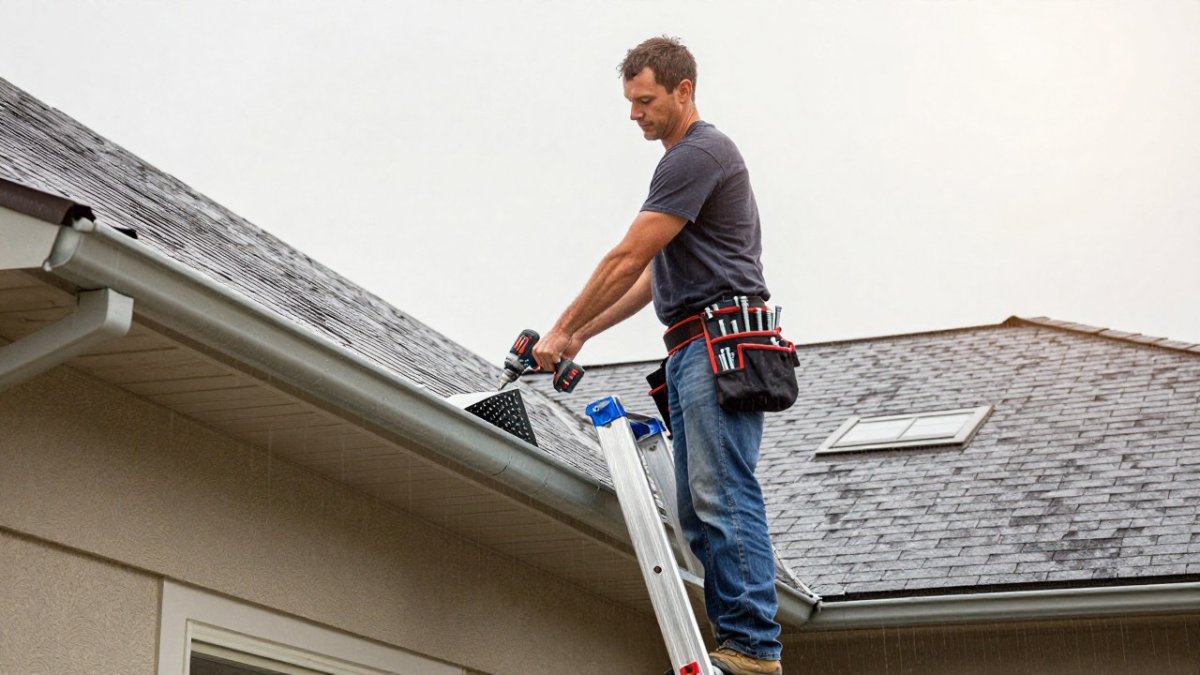
Storm damage often hides until the next hard rain, and mobile home roofs carry their own set of concerns. Wind lifts shingles and tiles, water works under them, and the leak shows up weeks later on a ceiling. After any major storm, get the roof looked at before the damage spreads into the attic and drywall.
Mobile homes often have roofs that differ from site-built houses, so it is reasonable to ask a contractor about their mobile home experience. If you own a mobile home, our mobile home roofing page shows the options and how to get a quote.
Requesting a Written Estimate From SunPro Contracting
Request a written, itemized estimate before any work begins, and ask for it in writing so you can compare it line by line. A clear estimate is the difference between a fair job and a string of add-on charges.
When you call, have a few things ready: the address, the age of the roof if you know it, any visible damage, and whether an insurance claim is involved. That helps us give you a useful answer on the first call.
Storm season does not wait, and neither should a leaking roof. Visit our contact page to request your written estimate.
Frequently Asked Questions
What services does SunPro Contracting offer?
SunPro Contracting LLC is a full-service residential and commercial roofing company. Alongside new roof installations, repairs and maintenance, the team handles interior and exterior painting, gutter services and masonry. Roofing types include tile, shingles and TPO membrane systems. The company reports over 100 years of combined industry experience across its crew, which matters when you are comparing sun contracting providers in Central Florida and want one team to cover the roof, gutters and exterior finish rather than juggling several trades.
What should a roofing estimate checklist include before I approve work?
A solid roofing estimate checklist covers the scope in writing: which sections are being repaired or replaced, the roofing material and manufacturer, tear-off and disposal, underlayment, flashing, ventilation and permit fees. Ask whether the price is itemized and whether it locks in extras like rotten decking. Confirm the payment schedule, warranty terms and estimated start and completion dates. Get the estimate in writing and compare line by line, because a low headline number often hides charges that appear once the crew is on the roof.
How do I evaluate a roofing contractor before hiring?
Start with licensing and insurance: ask for the license number and a certificate of insurance showing general liability and workers compensation. Confirm how long the company has operated locally, since a roofer who will still be around to honor a workmanship warranty matters. Ask for references from jobs similar to yours, including mobile home or commercial work if that applies. Finally, use a roofing estimate checklist and a short list of questions to ask a roofing contractor so every bid you receive covers the same scope and you can compare fairly.
Can SunPro Contracting handle emergency roof repairs on a commercial building?
SunPro Contracting works on both residential and commercial roofing properties. When you call, describe the damage, the building type and the roofing material so the team can prioritize the visit. Ask a contractor for a written estimate that separates any temporary work from permanent repair, so you know what each stage costs.